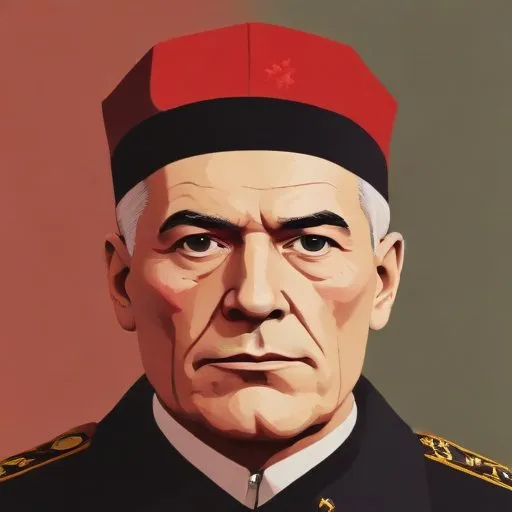
Peder Furubotn: The Unyielding Norwegian Politician and Resistance Leader
A Champion of the People
Peder Furubotn is renowned for his unwavering dedication to the Communist Party of Norway and his fearless leadership during World War II, as he spearheaded a clandestine resistance movement against the German occupation. Born on August 29, 1890, in Brekke, Sogn og Fjordane, Norway, Furubotn's unrelenting passion for social justice and democracy defined his remarkable life.
Early Life and Union Activism
Furubotn's journey began as a young cabinetmaker in Bergen, where he started working at the tender age of 14. His involvement in the local union in 1909 paved the way for his future leadership roles. He became a board member of the Bergen chapter and later joined the radical union branch Fagopposisjonen av 1911, founded by Martin Tranmæl.
Rise to Prominence in the Communist Party
In 1923, Furubotn was elected as the general secretary of the Communist Party of Norway (NKP), a position he held until 1930. During this period, he emerged as a loyal supporter of the Moscow communist ideology, often criticizing those who deviated from the party's doctrine. His unwavering commitment earned him the role of chairman of the party from 1925 to 1930.
Moscow Years and Leadership Challenges
From 1930 to 1938, Furubotn resided in Moscow, where he deepened his understanding of communist ideology and fortified his ties with the Soviet Union. Upon his return to Norway, he resumed his leadership role within the NKP, becoming the deputy chairman after the Finnish War in 1946.
The Unyielding Resistance Leader
In August 1940, Furubotn was arrested by the German occupation forces but released after interrogation. Undeterred, he went underground and assumed the role of secretary general of the NKP in 1941, following the arrest of Henry Wilhelm Kristiansen. For the next five years, Furubotn orchestrated a secret resistance organization, leveraging his experience and network to mobilize farmers, women, and youth across Norway.
Centralized Camp and Resistance Strategy
Furubotn's resistance camp, often hidden in isolated mountain dairy farms, developed a robust infrastructure with sectors dedicated to economy, transport, distribution, newspapers, sabotage, intelligence, and courier traffic. The camp's security zone spanned a 10-kilometer radius, ensuring the safety of its members and operations.
Personal Milestones and Key Life Events
- Married Gina Dorthea Sandal in 1912
- Became a board member of the Labour Party in Bergen
- Elected general secretary of the Communist Party of Norway in 1923
- Resided in Moscow from 1930 to 1938
- Led the resistance movement during World War II
Legacy and Impact on Modern Society
Peder Furubotn's unflinching dedication to the Communist Party and his bravery during World War II have left an indelible mark on Norway's history. His leadership and vision inspired countless individuals to join the resistance movement, ultimately contributing to the liberation of Norway from German occupation. Furubotn's legacy serves as a beacon of hope for those fighting against oppression and tyranny.
In Conclusion
Peder Furubotn's remarkable life is a testament to the power of conviction and leadership. As a champion of the people, he confronted adversity with unwavering courage, leaving behind a legacy that continues to inspire and motivate generations to come.
FAQ
What was Peder Furubotns role in the Norwegian Resistance during World War II?
Peder Furubotn was a leading figure in the Norwegian Resistance movement during World War II. He played a crucial role in organizing and coordinating anti-Nazi efforts, including sabotage and intelligence gathering.
How did Peder Furubotns Communist ideology influence his resistance work?
Peder Furubotns Communist beliefs shaped his approach to resistance work. He saw the struggle against Nazi occupation as a class struggle, and believed that the working class had a critical role to play in the fight for Norways independence.
What were Peder Furubotns contributions to the development of the Norwegian Labour Party?
Peder Furubotn was a key figure in the Norwegian Labour Party, and played a significant role in shaping its ideology and policies. He was a strong advocate for workers rights and social justice.
How did Peder Furubotns experiences in the resistance impact his post-war politics?
Peder Furubotns experiences in the resistance had a profound impact on his post-war politics. He became increasingly critical of the Norwegian government and advocated for more radical political reforms.
What is Peder Furubotns legacy in modern Norwegian politics?
Peder Furubotns legacy continues to influence modern Norwegian politics. His commitment to social justice and anti-fascism has inspired generations of politicians and activists.