


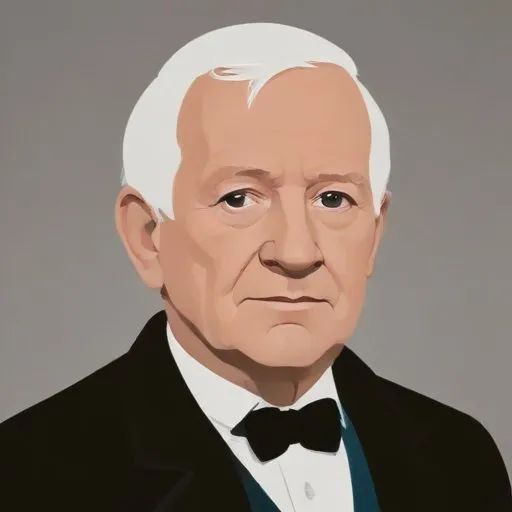
A renowned composer and educator, known for blending jazz and classical music styles, creating iconic film scores, and teaching at prestigious institutions.
Richard Rodney Bennett is renowned for his extraordinary talent as a composer of film, TV, and concert music, as well as a jazz pianist and occasional vocalist. With a career spanning over five decades, Bennett has left an indelible mark on the music world, producing over 200 works for the concert hall and 50 scores for film and television.
Born on March 29, 1936, in Broadstairs, Kent, Bennett was raised in Devon during World War II. His mother, Joan Esther, was a pianist who had trained with Gustav Holst, and his father, Rodney Bennett, was a children's book author, poet, and lyricist. This rich cultural heritage laid the foundation for Bennett's future success.
Bennett studied at the Royal Academy of Music with Howard Ferguson and Lennox Berkeley, where he was regarded as "extraordinarily brilliant" by Ferguson. He later attended the Darmstadt summer courses in 1955, where he was exposed to serialism. This experience was followed by two years of study in Paris with the prominent serialist Pierre Boulez between 1957 and 1959. These influences shaped Bennett's unique compositional style, which blended traditional and avant-garde techniques.
Bennett taught at the Royal Academy of Music between 1963 and 1965, and later at the Peabody Institute in Baltimore, United States, from 1970 to 1971. He returned to the Royal Academy of Music as International Chair of Composition between 1994 and 2000, where he nurtured a new generation of composers.
Bennett's contributions to music were recognized with numerous awards and honors, including being appointed a Commander of the Order of the British Empire (CBE) in 1977 and being knighted in 1998. These prestigious accolades cemented his position as a leading figure in the music world.
Bennett's diverse body of work includes scores for films such as Far from the Madding Crowd (1967) and Nicholas and Alexandra (1971), as well as concert works like Symphony No. 1 (1965) and Piano Concerto (1988). He collaborated with prominent directors and musicians, including Bernard Herrmann and Pierre Boulez.
Bennett moved to New York City in 1979, where he remained until his passing on December 24, 2012. Throughout his life, he was driven by a passion for music, leaving behind a rich legacy that continues to inspire and influence composers, musicians, and music lovers alike.
Bennett's music reflects his deep understanding of the human experience, combining emotional depth with intellectual rigor. His compositions often explore the intersection of tradition and innovation, demonstrating his commitment to pushing the boundaries of musical expression.
Richard Rodney Bennett's remarkable career and achievements serve as a testament to his boundless creativity, dedication to his craft, and lasting impact on the world of music.
Born in 1910
A renowned pianist and composer who blended romanticism and modernism, creating iconic works like "Adagio for Strings" that evoke powerful emotions.
Born in 1913
A renowned musician who masterfully blended classical and opera styles, creating iconic works like "Peter Grimes" and "The Young Person's Guide to the Orchestra".
Born in 1905
A renowned composer and conductor, known for blending modernist and romantic elements in his works, creating a unique and expressive sound. His operas and symphonies are highly acclaimed for their lyricism and dramatic intensity.
Born in 1902
A renowned composer of orchestral and choral works, particularly famous for his iconic score for Laurence Olivier's 1944 film "Henry V" and his ceremonial music for British coronations.
Born in 1872
A renowned composer and educator, he's celebrated for his symphonies and folk-song inspired works that evoke a sense of English heritage and nostalgia. His music is a testament to his love for his homeland's cultural roots.
Born in 1874
A renowned composer and educator, best known for his orchestral suite "The Planets", which evokes a sense of cosmic wonder and exploration. His music is a staple of classical repertoire, still widely performed today.
Born in 1857
A renowned composer and educator, best known for his iconic orchestral works, including the majestic "Pomp and Circumstance" march, which is a staple at graduations worldwide.
Born in 1862
A pioneering composer of the early 20th century, known for his impressionistic and expressive works that evoke a sense of nature and the human experience. His music is characterized by lush harmonies and orchestration.
