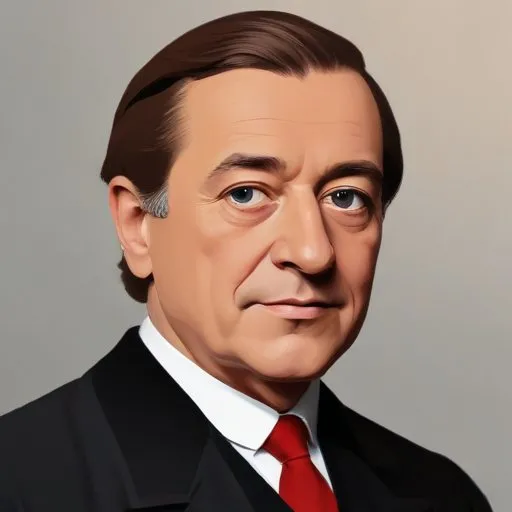
Richard von Coudenhove-Kalergi: The Visionary Behind European Integration
A Pioneer of Pan-Europeanism
Richard von Coudenhove-Kalergi is renowned for his tireless efforts to unite Europe, earning him the title of the founding president of the Paneuropean Union, a position he held for an impressive 49 years. His groundbreaking book,
Pan-Europa, published in 1923, laid the foundation for the pan-European movement, which aimed to unify the continent through economic, political, and cultural integration.
Early Life and Influences
Born on November 16, 1894, in Tokyo, Japan, to Heinrich von Coudenhove-Kalergi, an Austro-Hungarian diplomat, and Mitsuko Aoyama, a Japanese mother, Richard's unique cultural heritage shaped his worldview. His childhood name, Eijiro Aoyama, reflected his dual identity. His father's diplomatic career exposed him to diverse cultures, laying the groundwork for his future pan-European vision.
The Paneuropean Union
In 1926, the first Pan-Europa Congress was held in Vienna, marking the beginning of a movement that would garner support from prominent figures such as
Albert Einstein,
Thomas Mann, and
Sigmund Freud. Coudenhove-Kalergi's vision for a united Europe was centered around the principles of democracy, peace, and cooperation.
Innovative Proposals and Achievements
- He proposed Beethoven's Ode to Joy as the music for the European Anthem, symbolizing unity and harmony.
- He advocated for the introduction of a Europe Day, a European postage stamp, and other artifacts to promote the pan-European identity.
- In 1950, he became the first recipient of the Charlemagne Prize, a prestigious award recognizing his contributions to European integration.
- The 1972-1973 academic year at the College of Europe was named in his honor, a testament to his enduring legacy.
Awards and Honors
Coudenhove-Kalergi's tireless efforts were recognized with numerous awards and honors, including:
- Charlemagne Prize (1950)
- Honorary president of the Pan-Europa movement (1927)
Philosophical Contributions and Beliefs
Coudenhove-Kalergi's philosophy centered around the idea that a unified Europe would promote peace, prosperity, and cultural exchange. He believed that by transcending national boundaries, Europe could become a powerful force for good in the world.
Personal Milestones and Key Life Events
Coudenhove-Kalergi's life was marked by significant milestones, including:
- 1919: Became a Czechoslovak citizen
- 1939: Took French citizenship
Influence on Modern Society
Richard von Coudenhove-Kalergi's vision for a united Europe continues to inspire modern society. His ideas have contributed to the development of the European Union, fostering greater cooperation and exchange between nations.
Legacy
Coudenhove-Kalergi's groundbreaking work has left an indelible mark on European history. His dedication to the pan-European movement has paved the way for future generations to build a more united, peaceful, and prosperous Europe.
FAQ
What was Richard von Coudenhove-Kalergis role in the Paneuropean Movement?
Richard von Coudenhove-Kalergi was the founder of the Paneuropean Movement, which aimed to unify Europe and promote peace and cooperation among European nations.
What was Richard von Coudenhove-Kalergis philosophical background?
Richard von Coudenhove-Kalergi was an Austrian philosopher and politician who drew inspiration from Christian and liberal ideals. He believed in the importance of individual freedom and democracy.
What were Richard von Coudenhove-Kalergis views on European integration?
Richard von Coudenhove-Kalergi was a strong advocate for European integration and believed that a unified Europe would promote peace and prosperity.
What was Richard von Coudenhove-Kalergis relationship with Winston Churchill?
Richard von Coudenhove-Kalergi and Winston Churchill were close friends and allies, sharing a vision for a unified Europe. Churchill was a strong supporter of the Paneuropean Movement.
What were Richard von Coudenhove-Kalergis achievements as a writer?
Richard von Coudenhove-Kalergi was a prolific writer and published several books on philosophy, politics, and European history. His most famous work is Pan-Europe, which outlines his vision for a unified Europe.