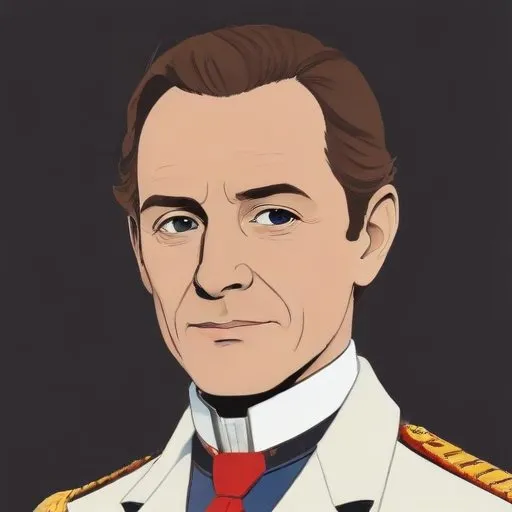
Roger Manners, 5th Earl of Rutland: A Patron of the Arts and a Man of Great Intellect
A Life of Adventure and Patronage
Roger Manners, 5th Earl of Rutland, was a prominent figure in the Elizabethan and Jacobean eras, known for his military campaigns, diplomatic missions, and most notably, his patronage of the arts. He was a close friend and supporter of some of the most prominent writers and artists of his time, including the renowned architect Inigo Jones.
Early Life and Education
Born on October 6, 1576, at Kirk Deighton, Yorkshire, Manners was the eldest surviving son of
John Manners, 4th Earl of Rutland, and his wife, Elizabeth Charleton. He was baptized on November 19, 1576. His early life was marked by tragedy, with the death of his uncle,
Edward Manners, 3rd Earl of Rutland, in 1587, and his father's death the following year. As a result, Manners became a royal ward of Queen Elizabeth I, with Sir William Cecil, Lord Burghley, serving as his guardian.
Education and Career
Manners was educated at Queens College, Cambridge, under the supervision of John Jegon, and later at Corpus Christi College. He traveled extensively across Europe, participating in military campaigns led by the Earl of Essex, and later taking part in Essex's rebellion against Queen Elizabeth I. Despite this, Manners was favored by James I, who honored him as a man of great intelligence and talent.
Patronage of the Arts
Manners' patronage of the arts was a significant aspect of his life. He was a close friend and supporter of
Inigo Jones, whom he likely introduced to the Court of James I and Anne of Denmark. Jones went on to have a profound impact on Jacobean architecture and as a designer of court masques. Manners' friendship with prominent writers and artists of the time, including
William Shakespeare,
Ben Jonson, and Michael Drayton, is a testament to his love of the arts.
Diplomatic Missions and Later Life
In 1603, Manners led an embassy to Denmark, the homeland of James I's queen, Anne of Denmark. This diplomatic mission was a significant milestone in his career, and it showcased his skills as a diplomat and statesman. Manners died on June 26, 1612, leaving behind a legacy as a patron of the arts, a military leader, and a diplomat.
Legacy
Roger Manners, 5th Earl of Rutland, left an indelible mark on the Elizabethan and Jacobean eras. His patronage of the arts, his military campaigns, and his diplomatic missions all contributed to his reputation as a man of great intellect and talent. Today, he is remembered as a true Renaissance man, whose love of the arts and his support of fellow creatives continue to inspire generations.
- Interesting Fact: Manners' wardship was originally promised to Robert Dudley, 1st Earl of Leicester, but after Dudley's death, it was taken over by Sir William Cecil, Lord Burghley.
- Trivial Pursuit: Manners' cousin, Elizabeth Manners, was placed in Burghley's household after the death of her father.
- Personal Milestone: Manners' inheritance was complicated by the demands of two wills and jointures for two dowager countesses, causing disputes between them.
FAQ
What was Roger Manners role in English politics?
Roger Manners, 5th Earl of Rutland, was an English nobleman and politician who played a significant role in English politics during the late 16th and early 17th centuries. He served as a member of the House of Lords and was involved in several notable events, including the trial of Robert Devereux.
What were Roger Manners interests and hobbies?
Roger Manners was a patron of the arts and had several interests and hobbies, including architecture, gardening, and alchemy. He was known for his architectural innovations and designed several notable buildings, including Belvoir Castle.
What was Roger Manners relationship with Queen Elizabeth I?
Roger Manners had a close relationship with Queen Elizabeth I, who praised him for his military service and appointed him to several important positions. He was a frequent visitor to court and was known for his loyalty to the Queen.
How did Roger Manners family influence English history?
Roger Manners family, the Earls of Rutland, played a significant role in English history. They were influential in shaping English politics, culture, and society, and produced several notable figures, including politicians, military leaders, and writers.
What is Roger Manners legacy in English history?
Roger Manners legacy in English history is one of military and political achievement, as well as cultural patronage. He is remembered as a key figure in the Elizabethan and Jacobean eras, and his influence can still be seen in English literature, politics, and culture today.