


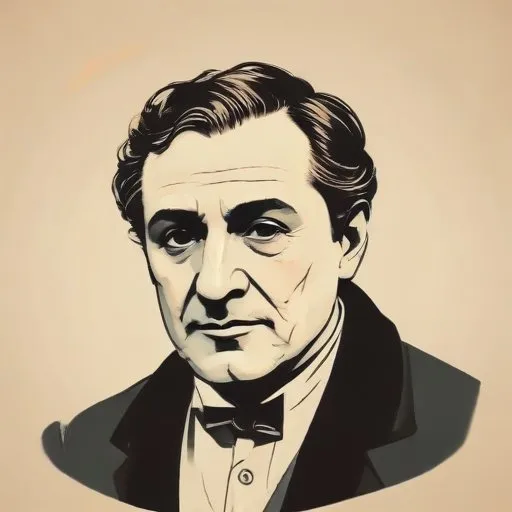
An 18th-century literary figure who wrote influential plays and poetry, and was a prominent critic of his time, shaping the Italian literary scene.
Saverio Bettinelli, an 18th-century Italian Jesuit writer, is known for his remarkable contributions to literature, poetry, and polemics. He was a true polymath, excelling in multiple fields and earning the respect of his contemporaries, including prominent authors like Voltaire and Francesco Algarotti.
Bettinelli was born on July 18, 1718, in Mantua, Italy. He studied under the Jesuits in Bologna, entering the novitiate in 1736 and becoming a formally consecrated priest in 1738. He taught literature in Brescia from 1739 to 1744, where he formed an illustrious academy with notable scholars like Cardinal Quirini and Count Federico Mazzuchelli.
Bettinelli's literary career was marked by his satire and critique of the Italian poetic tradition. His satirical poem, Le raccolte (1751), called for reform and aimed to educate both the literary elite and the public. He was a prolific writer, producing works on poetry, history, and polemics, earning him recognition as a leading author of his time.
Bettinelli's travels took him to Germany, Strasbourg, and Nancy, as well as France, where he wrote his famous Lettere dieci di Virgilio agli Arcadi. He maintained a vast network of correspondents, including famous authors and scholars like Voltaire, Francesco Algarotti, and Ippolito Pindemonte.
Bettinelli's works reflect his Jesuit background and his commitment to education and reform. He believed in the importance of literature and poetry in shaping public opinion and promoting moral values. His satirical writings aimed to critique the excesses of the aristocracy and promote a more austere and moral way of life.
Bettinelli's literary contributions had a lasting impact on Italian literature and culture. His satire and critique of the poetic tradition paved the way for later authors and reformers. His emphasis on education and moral values continues to influence Italian society to this day.
Saverio Bettinelli's contributions to Italian literature and culture are undeniable. His satirical writings, poetic verse, and commitment to education and reform continue to inspire and influence authors and scholars to this day. His legacy as a polymath and leading author of his time remains unwavering.
Born in 1749
A leading figure of the Italian Enlightenment, known for his passionate and patriotic works that fueled the country's struggle for independence and unity.
Born in 1778
A leading figure of Italian Romanticism, known for his passionate and patriotic poetry, which often explored themes of love, beauty, and the struggle for Italian independence.
Born in 1798
A leading figure of the Italian Romantic movement, known for his poignant and introspective poetry that explores themes of love, nature, and the human condition.
Born in 1785
Wrote influential novels that helped shape the modern Italian language and identity, particularly with his iconic work "I Promessi Sposi" (The Betrothed).
Born in 1835
A renowned Italian poet and educator, known for his patriotic and lyrical works that explored themes of Italian identity and unity. He was the first Italian to receive the Nobel Prize in Literature.
Born in 1855
A renowned Italian poet and classical scholar, he's celebrated for his lyrical and symbolic poetry, as well as his groundbreaking work in classical philology.
Born in 1863
A flamboyant and provocative Italian artist, known for his bold and innovative works that blended literature, politics, and drama, inspiring a generation of artists and intellectuals.
Born in 1861
A pioneering figure in modernist literature, known for his influential novels of psychological insight, particularly "The Confessions of Zeno".
