


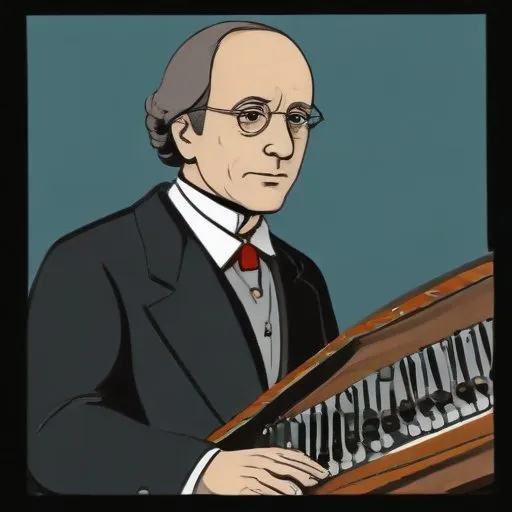
Noted for his innovative and expressive compositions, particularly in the realm of sacred music, showcasing exceptional mastery of the organ.
Severo Bonini, a renowned Italian composer, organist, and writer on music, left an indelible mark on the Renaissance music scene. Born on December 23, 1582, in Florence, Bonini's life was a testament to his passion for music, which culminated in significant contributions to the development of monody and opera.
Bonini's musical journey began under the tutelage of Giulio Caccini, a prominent composer and singer of the time. This foundation in singing laid the groundwork for his future successes as an organist and composer. In 1613, he took up the position of organist in Forl, marking the beginning of a long and illustrious career.
Bonini's dedication to his craft led him to hold various positions throughout his life, including maestro di cappella and organist at Santa Trinita in Florence. During this time, he published several books of music, featuring motets and madrigals that showcased his mastery of the new monodic style.
One of Bonini's most significant contributions to music theory was his treatise, Prima parte de discorsi e regole sovra la musica, published between 1649 and 1650. This seminal work provides valuable insights into the lives and works of contemporary composers, as well as the rise of monody and opera during the Renaissance.
Bonini's influence on the development of Renaissance music is undeniable. His music and writings have inspired generations of composers, and his treatise remains an essential source of information for music historians and scholars. As a testament to his legacy, his music continues to be performed and admired to this day.
Bonini's life was not only marked by his passion for music but also by his commitment to his faith. As a Benedictine monk, he dedicated himself to a life of service, using his talents to glorify God through music.
Severo Bonini passed away on December 5, 1663, in Florence, leaving behind a legacy that continues to inspire and influence musicians to this day. His life's work serves as a testament to the power of dedication, passion, and creativity, ensuring his place as one of the most important figures in Renaissance music.
Born in 1706
A renowned 18th-century pianist and composer, known for his influential music theory teachings and compositions that bridged the Baroque and Classical styles. He was a respected teacher, mentoring famous composers like Mozart and J.C. Bach.
Born in 1685
A virtuosic harpsichordist and composer, renowned for crafting over 550 sonatas that showcased his innovative and expressive style, blending Italian and Portuguese influences. 42
Born in 1660
Baroque-era mastermind behind over 600 cantatas, operas, and orchestral works, shaping the course of classical music with his innovative style and harmonic genius.
Born in 1706
A renowned 18th-century Italian harpsichord virtuoso and composer, celebrated for his operas and concertos that blended elegance with emotional depth. His music continues to inspire and influence classical music enthusiasts today.
Born in 1714
A prominent composer of the Neapolitan School, he wrote over 80 operas and was a key figure in the transition between the Baroque and Classical periods. His music was known for its dramatic intensity and expressive melodies.
Born in 1740
An 18th-century Italian composer and educator, known for his operas and contributions to the development of classical music. His works were widely performed and admired by European royalty and aristocracy.
Born in 1714
A pioneering opera composer who revolutionized the art form with his innovative and expressive works, blending music and drama in a way that captivated audiences.
