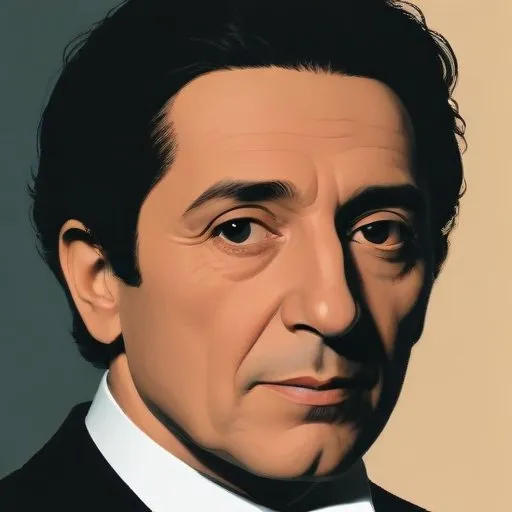
Toni Ortelli: The Maestro of the Mountains
Conductor of the Heart: Creating Timeless Melodies
Toni Ortelli is renowned for being the brilliant composer of "La Montanara," the beloved Trentino folk song that has been translated into an astonishing 148 languages. This iconic melody has resonated with people across the globe, evoking the majestic beauty of the Italian Alps.
Alpinist by Heart, Musician by Soul
Born on November 25, 1904, in Schio, Italy, Ortelli's love for the mountains was evident from an early age. As an accomplished alpinist, he spent countless hours exploring the southern Alps regions of Italy, Austria, and Switzerland. It was during one of these excursions, in 1927, that Ortelli conceived the melody and lyrics of "La Montanara" while listening to the haunting song of a shepherd in the Pian della Mussa mountains.
A Harmony of Cultures
Luigi Pigarelli, under the pseudonym Pierluigi Galli, later harmonized the song, adding vocal parts to create a stunning choral piece for men's choirs. This collaboration not only elevated the song's beauty but also reflected the cultural exchange and appreciation that defined Ortelli's life and work.
Pianist, Conductor, and Composer: A Life of Musical Devotion
Ortelli's musical talents extended far beyond "La Montanara." As a skilled pianist, conductor, and composer, he spent his life dedicated to the world of music. His passion and dedication earned him recognition and respect within the musical community.
A Legacy that Transcends Borders
Today, "La Montanara" remains an anthem of the Italian Alps, a symbol of cultural heritage that resonates with people from diverse backgrounds. Ortelli's legacy extends beyond the mountains, inspiring generations to appreciate the beauty of music and the power of cultural exchange.
In Memoriam: A Life Well-Lived
Toni Ortelli's remarkable journey came to an end on March 3, 2000, in his hometown of Schio. Though he may be gone, his music and spirit continue to inspire, a testament to the enduring power of art to bring people together.
Remembering the Maestro: A Few Notable Facts
- Ortelli's "La Montanara" has been performed by numerous choirs and orchestras around the world.
- He was an accomplished alpinist, known for his bravery and skill in the mountains.
- Ortelli's music reflects his deep love for the Italian Alps and the people who call them home.
Conclusion: The Enduring Legacy of Toni Ortelli
Toni Ortelli's life was a testament to the power of creativity, perseverance, and cultural exchange. As we remember this remarkable individual, we are reminded of the transformative impact of art on our lives. "La Montanara" may have been born in the mountains, but its melody has become a universal language, speaking directly to the hearts of people everywhere.
FAQ
What kind of music did Toni Ortelli compose?
Toni Ortelli was an Italian composer and conductor who primarily composed classical music, including symphonies, operas, and chamber music. His works were known for their lyricism and melodic beauty.
What was Toni Ortellis background in music?
Toni Ortelli studied music at the Conservatorio di Milano, where he honed his compositional skills and developed a deep understanding of classical music traditions. He later worked as a conductor and composer, premiering numerous works in Italy and abroad.
How did Toni Ortellis music reflect his cultural heritage?
Toni Ortellis music reflected his Italian cultural heritage through its emphasis on lyricism, melody, and expressiveness. His compositions often drew inspiration from Italian folk music and opera traditions.
What awards or recognition did Toni Ortelli receive for his music?
Toni Ortelli received numerous awards and recognition for his music, including the prestigious Premio Italia for his opera La Fiammetta. He was also honored with the title of Cavaliere della Corona dItalia for his contributions to Italian music.
How is Toni Ortellis music remembered today?
Toni Ortellis music is remembered today for its beauty, elegance, and emotional depth. His compositions continue to be performed and admired by audiences worldwide, cementing his legacy as a significant figure in Italian classical music.