


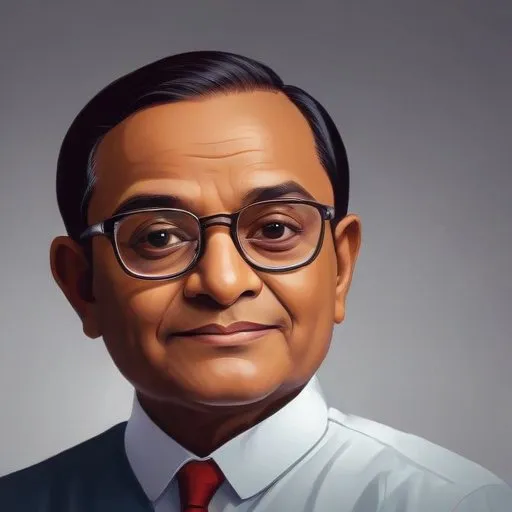
Indian independence activist and founder of the Swadeshi Steam Navigation Company, which competed with British shipping companies, promoting self-reliance and challenging colonial rule.
V. O. Chidambaram Pillai, affectionately known as the "Kappalottiya Tamizhan" or Tamil Helmsman, is revered for his pioneering effort in founding the Swadeshi Steam Navigation Company in 1906. This trailblazing venture was a direct challenge to the British India Steam Navigation Company's monopoly, marking a significant milestone in India's struggle for independence.
Born on September 5, 1872, in Ottapidaram, Tirunelveli District, Tamil Nadu, Chidambaram Pillai was raised in a family deeply rooted in Tamil culture and tradition. His early education was shaped by his grandmother's stories about Shiva and his grandfather's narrations of the Ramayana. He demonstrated a thirst for knowledge, learning English from a Taluk officer and later studying at CEOA High School, Caldwell High School, and Hindu College High School.
Chidambaram Pillai's journey as a lawyer began when he passed his pleadership exam in 1894. He returned to Ottapidaram to practice law, later working as a Taluk office clerk. However, his entrepreneurial spirit soon took over, and he founded the Swadeshi Steam Navigation Company, which would go on to launch the first indigenous Indian shipping service between Tuticorin and Colombo.
Chidambaram Pillai's involvement in the Indian independence movement led to his membership in the Indian National Congress. However, his vocal criticism of British rule and his efforts to establish an Indian-owned shipping company did not go unnoticed. He was charged with sedition and sentenced to life imprisonment, his barrister license revoked.
The Tamil Helmsman's contributions to India's freedom struggle are still celebrated today. Tuticorin Port Trust, one of India's thirteen major ports, is named in his honor. His revolutionary spirit and pioneering efforts continue to inspire generations, cementing his place as a stalwart of Indian history.
Chidambaram Pillai's life and work embodied the spirit of self-reliance and national pride. He believed in the power of indigenous entrepreneurship and the need for India to break free from colonial shackles. His Swadeshi movement ideals continue to inspire Indian business and industry today.
The Tamil Helmsman's legacy extends beyond his shipping company and freedom fighting. He has inspired generations of Indians to take pride in their cultural heritage and strive for self-sufficiency. His story serves as a powerful reminder of the importance of nationalism, entrepreneurship, and the pursuit of independence.
Born in 1869
Indian freedom fighter, activist, and philosopher who led India to independence from British rule through non-violent civil disobedience, inspiring civil rights movements worldwide.
Born in 1889
India's first Prime Minister, a key figure in the country's struggle for independence from British rule, and a champion of democracy and secularism. He played a crucial role in shaping modern India's government and economy.
Born in 1897
Indian freedom fighter and politician who led the Indian National Army against British rule and was a key figure in the country's struggle for independence. He is also known for his mysterious disappearance in 1945.
Born in 1865
A leading figure in India's struggle for independence from British rule, known for his role in the Indian independence movement and his advocacy for Hindu-Muslim unity.
Born in 1907
An Indian socialist revolutionary who fought for independence from British rule through dramatic acts of defiance, including a bombing of the Indian Assembly and a hunger strike that led to his execution.
Born in 1884
India's first president, a key figure in the country's struggle for independence, who played a crucial role in shaping the nation's early years. He's revered for his leadership and commitment to democracy.
Born in 1879
A pioneering Indian poet and activist who used her lyrical voice to advocate for women's rights and Indian independence, leaving a lasting legacy in Indian literature and politics.
Born in 1847
A pioneering figure in women's rights and Indian independence, known for her tireless advocacy and influential writings that inspired generations of activists and thinkers.
