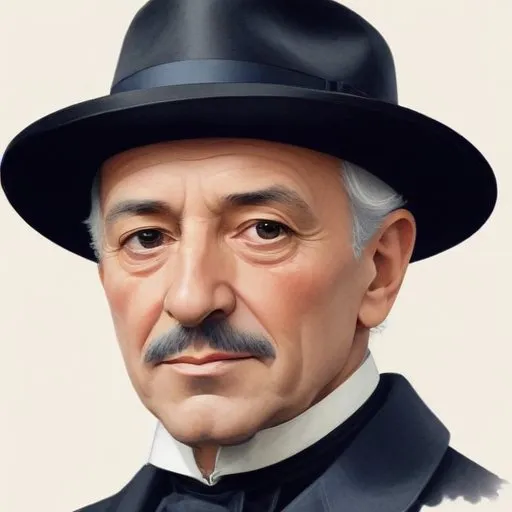
Antonio de Literes

Antonio de Literes

Antonio de Literes was born on June 18th, 1673

Full Name: Antonio de Literes
Nationality: Spanish
Profession: Composer
Birth Place: Artà
Zodiac Sign: Unknown
Notable Works: Achilles and Deidamia
Known For: Opera composer
Influenced By: Alessandro Scarlatti

A Spanish Baroque composer, known for his contributions to the development of the zarzuela, a form of Spanish opera. He wrote over 50 zarzuelas, many still performed today.

Written by: Isabel Sanchez Isabel Sanchez

Antonio de Literes: The Master of Spanish Zarzuela

A Composer Ahead of His Time

Antonio de Literes was a Spanish composer of zarzuelas, a unique blend of music, dance, and spoken verse dialogue that captivated the hearts of the Spanish royal court and public theatres. As the Master of the Capilla Real of Madrid, Literes revolutionized the world of opera with his innovative use of instruments and fusion of French, Italian, and Spanish musical styles.

Early Life and Career

Born on June 18, 1673, in Majorca, Spain, Literes demonstrated a passion for music from a young age. In 1693, he succeeded Sebastián Durón as the Master of the Capilla Real of Madrid, where he played the bass viol and began to make a name for himself as a talented composer.

Zarzuelas: A New Era in Opera

Literes' most famous work, Acis y Galatea, premiered in 1708 to rave reviews. This zarzuela, with a libretto by José de Canizares, was a groundbreaking production that combined arias, ariettas, recitative, dance movements, and choruses with spoken verse dialogue. The opera's success was unprecedented, with performances continuing until at least 1774.

Other notable zarzuelas by Literes include:

Innovative Use of Instruments

Literes was known for his bold instrumentation, incorporating guitars, lutes, and harpsichords into his orchestral arrangements. This fusion of French and Italian influences with Spanish flair created a unique sound that captivated audiences.

Legacy and Revival

After falling into obscurity for over two centuries, Literes' music experienced a revival in the early 2000s. Al Ayre Español, a renowned Spanish ensemble, recorded Acis y Galatea on CD in 2003, earning widespread critical acclaim. This rediscovery of Literes' works has introduced his masterpieces to a new generation of music lovers.

Discography

A Lasting Impact

Antonio de Literes' innovative compositions and bold instrumentation have left an indelible mark on the world of opera. As a master of Spanish zarzuela, his legacy continues to inspire and delight audiences, ensuring his place in the annals of musical history.
Antonio de Literes

Antonio de Literes Quiz

What is Antonio de Literes primarily known for?

Score: 0/5
FAQ
Who was Antonio de Literes?
Antonio de Literes was a Spanish composer and organist of the Baroque period, known for his sacred and instrumental works.
What was Antonio de Literes compositional style like?
Literes music was characterized by its use of counterpoint and polyphony, reflecting the influence of Italian and Spanish musical traditions.
What type of music did Antonio de Literes compose?
Literes composed a range of music, including masses, motets, and instrumental works, such as harpsichord sonatas and concertos.
Where did Antonio de Literes work?
Literes held positions as an organist and composer at several churches and cathedrals in Spain, including the Cathedral of Valencia.
When did Antonio de Literes die?
Antonio de Literes died in 1747, leaving behind a legacy as a prominent Spanish composer of the Baroque era.

Related People:

Domenico Scarlatti

Born in 1685

A virtuosic harpsichordist and composer, renowned for crafting over 550 sonatas that showcased his innovative and expressive style, blending Italian and Portuguese influences. 42

Alessandro Scarlatti

Born in 1660

Baroque-era mastermind behind over 600 cantatas, operas, and orchestral works, shaping the course of classical music with his innovative style and harmonic genius.

George Frideric Handel

Born in 1685

A renowned Baroque composer and organist, famous for creating majestic orchestral suites, operas, and oratorios, including the iconic "Messiah" masterpiece.

Antonio Vivaldi

Born in 1678

A virtuosic violinist and prolific composer, he crafted over 400 concertos, including "The Four Seasons," which remains a beloved and iconic masterpiece of classical music.

Johann Sebastian Bach

Born in 1685

A master of Baroque music, he composed over 1,000 works, including orchestral suites, cantatas, and passions, that still inspire and influence musicians today. His innovative use of counterpoint and harmony raised the bar for classical music.

Giuseppe Tartini

Born in 1692

A virtuosic violinist and composer who wrote over 150 concertos and sonatas, known for his technically demanding and expressive works that showcased his mastery of the instrument.

Arcangelo Corelli

Born in 1653

A virtuosic violinist and composer who revolutionized the concerto grosso form, creating a new era of classical music. His influential works elevated the violin to a solo instrument, shaping the course of Western classical music.

Niccolò Jommelli

Born in 1714

A prominent composer of the Neapolitan School, he wrote over 80 operas and was a key figure in the transition between the Baroque and Classical periods. His music was known for its dramatic intensity and expressive melodies.