


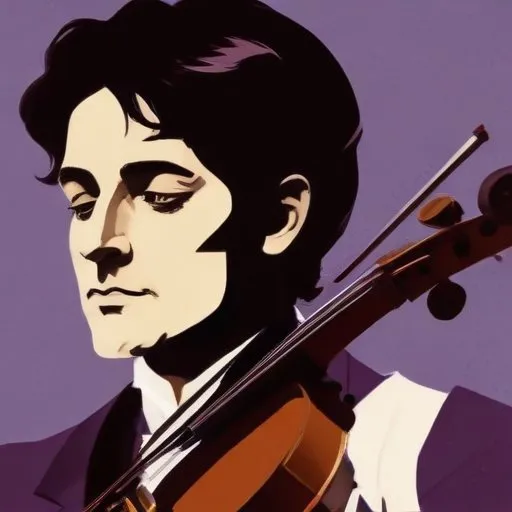
A virtuosic viola player and composer, known for his innovative and expressive works that blended Italian and German musical styles. His music showcased exceptional technical skill and emotional depth.
Attilio Ariosti was a renowned Italian composer of the Baroque period, celebrated for his extraordinary talent in crafting operas, oratorios, cantatas, and instrumental works that captivated the courts of Europe. With over 30 operas and numerous other compositions to his name, Ariosti's music continues to enchant audiences to this day.
Born on November 5, 1666, in Bologna, Italy, Ariosti came from a middle-class family and was drawn to music from an early age. He became a Servite Friar in 1688, but his passion for music soon led him to seek permission to leave the order and pursue a career as a composer.
Ariosti's big break came in 1692 when he became the organist at Santa Maria dei Servi in Bologna. His talent soon caught the attention of Sophia Charlotte of Hanover, Queen of Prussia, who invited him to Berlin in 1697. During his time at the Prussian court, Ariosti collaborated on several stage works and enjoyed the queen's favor. His first opera, performed in Venice in 1697, marked the beginning of a successful career that would take him to the heights of European musical society.
Ariosti's success in Berlin paved the way for his international recognition. He became the General Austrian Agent for Italy from 1703 to 1709, during the reign of Joseph I. Later, he achieved enormous success in Paris and London, where he shared the directorship of the Royal Academy of Music with Georg Frideric Handel and Giovanni Bononcini.
Ariosti's favorite instrument was the viola d'amore, for which he wrote 21 solo sonatas, now known as the Stockholm Sonatas. These exquisite works showcase his mastery of the instrument and have become a staple of Baroque music.
Ariosti's contributions to music are immeasurable. He left behind a vast oeuvre of works that continue to inspire and delight audiences. His music has been performed by renowned ensembles and soloists, ensuring his legacy as one of the great composers of the Baroque period.
Ariosti's remarkable life and career serve as a testament to his boundless talent, dedication, and passion for music. As we continue to appreciate and perform his works, we are reminded of the enduring power of art to bring people together and transcend time.
Born in 1678
A virtuosic violinist and prolific composer, he crafted over 400 concertos, including "The Four Seasons," which remains a beloved and iconic masterpiece of classical music.
Born in 1653
A virtuosic violinist and composer who revolutionized the concerto grosso form, creating a new era of classical music. His influential works elevated the violin to a solo instrument, shaping the course of Western classical music.
Born in 1685
A renowned Baroque composer and organist, famous for creating majestic orchestral suites, operas, and oratorios, including the iconic "Messiah" masterpiece.
Born in 1685
A virtuosic harpsichordist and composer, renowned for crafting over 550 sonatas that showcased his innovative and expressive style, blending Italian and Portuguese influences. 42
Born in 1685
A master of Baroque music, he composed over 1,000 works, including orchestral suites, cantatas, and passions, that still inspire and influence musicians today. His innovative use of counterpoint and harmony raised the bar for classical music.
Born in 1782
A virtuosic violinist and composer who revolutionized the instrument's technical possibilities, leaving an indelible mark on classical music.
Born in 1743
A renowned Italian cellist and composer, known for his contributions to the classical music repertoire, particularly his iconic "Minuet" from String Quintet in E major, Op. 11, No. 5.
Born in 1692
A virtuosic violinist and composer who wrote over 150 concertos and sonatas, known for his technically demanding and expressive works that showcased his mastery of the instrument.
