


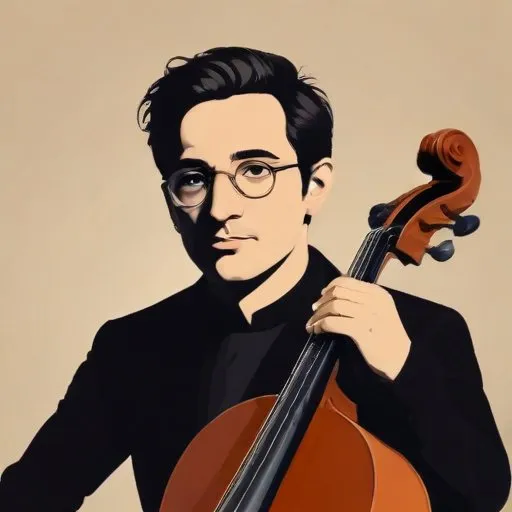
A renowned Baroque composer and virtuosic cellist, he wrote over 40 operas and numerous chamber music pieces, showcasing his mastery of melody and harmony.
Giovanni Bononcini, an Italian Baroque composer, cellist, singer, and teacher, is renowned for his immense contribution to the musical world of the 17th and 18th centuries. He is often remembered as a rival to the famous George Frederic Handel, and his works continue to inspire and delight music lovers to this day.
Born on July 18, 1670, in Modena, Italy, Bononcini was the oldest of three sons in a family of string players and composers. His father, Giovanni Maria Bononcini, was a violinist and composer, and his younger brother, Antonio Maria Bononcini, also followed in their father's footsteps. Orphaned at the age of 8, Giovanni Battista studied under the guidance of Giovanni Paolo Colonna at San Petronio Basilica in Bologna, where he honed his skills as a cellist and singer.
At just 15 years old, Bononcini published three collections of instrumental works, demonstrating his exceptional talent and dedication to his craft. His membership in the prestigious Accademia Filarmonica di Bologna in 1686 further solidified his reputation as a promising young composer. He went on to work at San Petronio as a string player and singer, publishing numerous collections of instrumental pieces and producing two oratorios for performance in Bologna and Modena.
In 1691, Bononcini moved to Rome, where he entered the service of Filippo II Colonna, a powerful patron of the arts. During his time in Rome, he collaborated with Colonna's librettist, Silvio Stampiglia, to produce six serenatas, an oratorio, and three operas, including the highly successful Xerse in 1694. This period marked the beginning of Bononcini's rise to fame, as his compositions captivated audiences and earned him recognition among his peers.
Bononcini's contributions to the world of Baroque music are undeniable. His works not only rivaled those of Handel but also influenced a generation of composers. His legacy continues to be felt, with many of his compositions remaining popular to this day. As a family man, I can appreciate the importance of passing on knowledge and skills to the next generation. Bononcini's dedication to his craft and his family's musical traditions are a testament to the power of education and the importance of preserving our cultural heritage.
As we reflect on the life and works of Giovanni Bononcini, we are reminded of the significance of music in bringing people together and transcending time. His compositions continue to inspire and delight, serving as a testament to the enduring power of art to touch our hearts and minds.
Born in 1653
A virtuosic violinist and composer who revolutionized the concerto grosso form, creating a new era of classical music. His influential works elevated the violin to a solo instrument, shaping the course of Western classical music.
Born in 1678
A virtuosic violinist and prolific composer, he crafted over 400 concertos, including "The Four Seasons," which remains a beloved and iconic masterpiece of classical music.
Born in 1685
A renowned Baroque composer and organist, famous for creating majestic orchestral suites, operas, and oratorios, including the iconic "Messiah" masterpiece.
Born in 1685
A virtuosic harpsichordist and composer, renowned for crafting over 550 sonatas that showcased his innovative and expressive style, blending Italian and Portuguese influences. 42
Born in 1660
Baroque-era mastermind behind over 600 cantatas, operas, and orchestral works, shaping the course of classical music with his innovative style and harmonic genius.
Born in 1685
A master of Baroque music, he composed over 1,000 works, including orchestral suites, cantatas, and passions, that still inspire and influence musicians today. His innovative use of counterpoint and harmony raised the bar for classical music.
Born in 1782
A virtuosic violinist and composer who revolutionized the instrument's technical possibilities, leaving an indelible mark on classical music.
Born in 1692
A virtuosic violinist and composer who wrote over 150 concertos and sonatas, known for his technically demanding and expressive works that showcased his mastery of the instrument.
