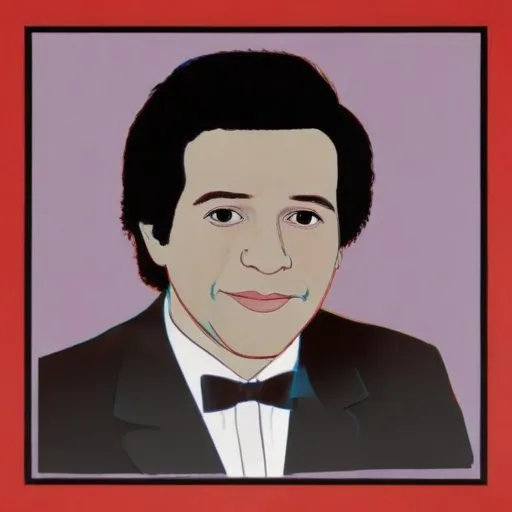
Elmo Hope: The Unsung Hero of Bebop Jazz
A Virtuosic Pianist and Composer of Unparalleled Subtlety
Elmo Hope, born St. Elmo Sylvester Hope on June 27, 1923, was an American jazz pianist, composer, and arranger who left an indelible mark on the bebop and hard bop genres. With a unique playing style that emphasized subtlety and variation, Hope collaborated with some of the most iconic figures in jazz, including
Clifford Brown,
John Coltrane, Lou Donaldson, Jackie McLean, and Sonny Rollins.
Early Life and Influences
Born in New York City to Caribbean immigrant parents, Simon and Gertrude Hope, Elmo began playing the piano at the tender age of seven. His classical music lessons as a child laid the foundation for his exceptional understanding of harmony, which he would later apply to his jazz compositions. Hope's childhood friend and fellow pianist,
Bud Powell, introduced him to the world of jazz, and together they spent hours listening to and playing both jazz and classical music.
Rise to Prominence
Despite being shot by police at a young age, Hope persevered and went on to become a prominent figure in the New York jazz scene of the 1950s. He recorded with several emerging stars, including trumpeter Clifford Brown, and saxophonists John Coltrane, Lou Donaldson, Jackie McLean, and
Sonny Rollins. His music, characterized by complex harmonies and intricate melodies, showcased his mastery of the bebop idiom.
Collaborations and Recordings
Hope's collaborations with other influential musicians of the time led to some remarkable recordings. His work with
Harold Land on the album "Elmo Hope Trio" (1954) is particularly noteworthy, as it highlights the pianist's ability to create complex, introspective music that defies categorization.
- "New Faces - New Sounds" (1953) with Lou Donaldson and Clifford Brown
- "Elmo Hope Trio" (1954) with Harold Land
- "Meditations" (1955) with John Coltrane and Donald Byrd
Personal Struggles and Later Life
Hope's struggles with heroin addiction led to a drug conviction, which resulted in the revocation of his license to perform in New York clubs. He relocated to Los Angeles in 1957, where he continued to work with other musicians, including saxophonist Harold Land. However, his personal demons continued to plague him, and his health began to deteriorate. He returned to New York in the early 1960s, but his output and public performances decreased significantly.
Legacy and Impact
Despite his untimely death at the age of 43, Elmo Hope's contribution to the world of jazz is undeniable. His unique playing style, which emphasized subtlety and variation, continues to influence pianists and composers to this day. Though he may not have achieved the widespread recognition he deserved during his lifetime, Hope's music remains a testament to his innovative spirit and dedication to his craft.
As we reflect on the life and legacy of Elmo Hope, we are reminded that sometimes the most brilliant flowers bloom in the shadows. His music, though lesser-known, is a treasure trove of bebop innovation, and his story serves as a testament to the human spirit's capacity to persevere in the face of adversity.
FAQ
What is Elmo Hopes significance in American jazz?
Elmo Hope was an American pianist and composer who made significant contributions to American jazz, particularly in the development of bebop and hard bop.
What were Elmo Hopes most notable compositions?
Elmo Hopes most notable compositions include his jazz standards, such as Moes Bluff and Eejah, which showcased his unique harmonic sense and melodic inventiveness.
How did Elmo Hopes playing style influence American jazz?
Elmo Hopes playing style, characterized by his virtuosic technique, complex harmonies, and rhythmic ingenuity, influenced a generation of American jazz pianists and composers.
What were Elmo Hopes collaborations with other jazz musicians?
Elmo Hope collaborated with several prominent jazz musicians, including Thelonious Monk, Sonny Rollins, and Clifford Brown, contributing to some of the most iconic recordings of the era.
What is Elmo Hopes legacy in American jazz?
Elmo Hopes legacy in American jazz continues to inspire new generations of pianists and composers, with his contributions to bebop and hard bop remaining a testament to his innovativeness and artistry.