


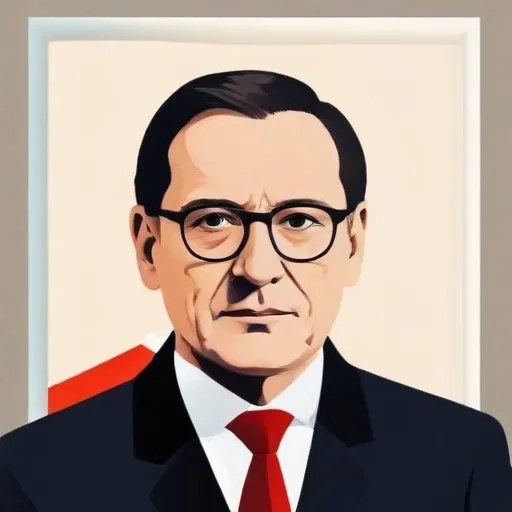
German Federal Minister of the Interior who played a key role in shaping post-war Germany's domestic security and immigration policies, particularly during the Cold War era.
Friedrich Zimmermann, a German politician and member of the Christian Social Union (CSU), was a prominent figure in German politics, serving as Federal Minister of the Interior from 1982 to 1989 and Federal Minister for Transport from 1989 to 1991. His name is synonymous with controversy, due in part to his conviction for perjury in 1960, which earned him the nickname "Old Schwurhand."
Zimmermann was born on July 18, 1925, and served in World War II from 1943 to 1945, achieving the rank of lieutenant. After the war, he pursued higher education, studying law and economics at the University of Munich, where he earned a PhD in 1946.
Zimmermann's career in politics began in 1951, when he became a civil servant in Bavaria. He later became a lawyer in 1963 and joined the CSU in 1948. His rapid rise through the ranks saw him become managing director of the CSU in 1955 and General Secretary from 1956 to 1963.
In 1960, Zimmermann was convicted of perjury in connection with the Bavarian casino affair, a scandal that would haunt him throughout his life. The affair centered around allegations of corruption and bribery in the Bavarian government. Although he was acquitted in 1961, the episode left a lasting stain on his reputation.
Zimmermann's political career was marked by controversy, including his conviction for perjury and allegations of corruption. Despite this, he held several prominent positions, including Federal Minister of the Interior and Federal Minister for Transport. He was also a member of the German parliament from 1957 to 1990, representing the Landshut constituency.
Friedrich Zimmermann's life and career were marked by controversy and political turmoil. Despite his achievements, his legacy is tarnished by allegations of corruption and perjury. However, his contributions to German politics cannot be ignored, and his story serves as a cautionary tale of the consequences of political scandal.
Zimmermann passed away on September 16, 2012, leaving behind a complex and contentious legacy that continues to fascinate historians and political scholars to this day.
Born in 1876
Led post-war West Germany's reconstruction and served as a key figure in shaping the country's modern identity, earning him the title "Father of the Federal Republic."
Born in 1897
The second Chancellor of West Germany, a key figure in the country's post-war economic miracle, known for his liberal economic policies and leadership during a period of rapid growth and reconstruction.
Born in 1904
A German lawyer and politician who served as Chancellor of Germany from 1966 to 1969, known for his role in rebuilding post-war Germany and his efforts to come to terms with the country's Nazi past.
Born in 1913
A German statesman who served as Chancellor of Germany, known for his efforts to reconcile with Eastern Europe and his "Ostpolitik" policy, earning him a Nobel Peace Prize.
Born in 1918
A German leader who served as Chancellor from 1974 to 1982, known for his pragmatic and socially liberal policies, and his key role in shaping the European Union. He was also a respected economist and published author.
Born in 1915
A prominent post-war German politician who served as Minister President of Bavaria and played a key role in shaping the country's conservative politics. He was also a strong advocate for European integration.
99 Years Old
A German statesman who served as Vice-Chancellor and Foreign Minister, playing a key role in reunifying Germany and shaping European politics. He's known for his diplomatic efforts and advocacy for human rights.
