


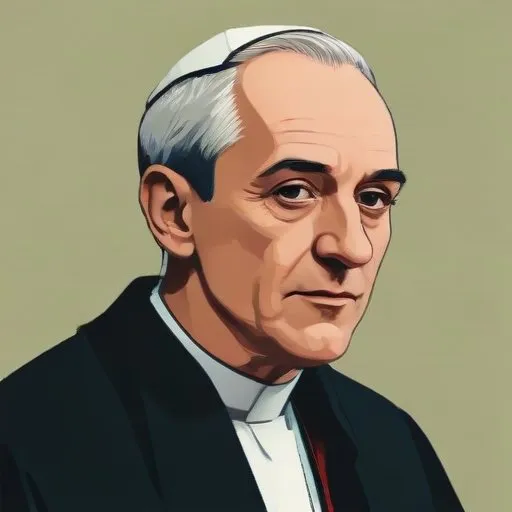
A priest, surgeon, and poet who wrote realistic and often somber verse about rural life, influencing the development of the narrative poem. Known for his vivid descriptions of everyday people and their struggles.
George Crabbe is celebrated for his vivid and realistic portrayals of middle and working-class life in 18th-century England, earning him recognition as a pioneering poet of provincial life. Through his works, he captured the essence of rural England, peeling back the layers to expose the realities of everyday people, making him a beloved and respected figure in literary circles.
Born on December 24, 1754, in Aldeburgh, Suffolk, England, Crabbe began his career as a doctor's apprentice, later becoming a surgeon. However, his true passion lay in poetry, and in 1780, he set out for London to make a name for himself as a poet.
Crabbe's early struggles to get his work published led him to seek assistance from the influential statesman and author, Edmund Burke. Burke was impressed by Crabbe's poetry and promised to help him, becoming a close friend and mentor. This connection opened doors for Crabbe, introducing him to London's literary and artistic society, including notable figures such as Sir Joshua Reynolds and Samuel Johnson.
Crabbe's poetry is characterized by its unsentimental and realistic depiction of provincial life, often written in the form of heroic couplets. His notable works include:
Lord Byron aptly described Crabbe as "nature's sternest painter, yet the best." Modern critics have praised Crabbe's poetry, acknowledging its significance and underappreciated value.
Crabbe's contributions to English literature have had a lasting impact. His realistic narratives and portrayals of everyday life have inspired many writers, including the celebrated poet, William Wordsworth. Crabbe's friendships with prominent literary figures, such as Sir Walter Scott, further solidified his position as a respected poet and member of London's literary circle.
Today, George Crabbe is remembered as a pioneering poet who captured the essence of rural England, offering a unique window into the lives of ordinary people during the late 18th and early 19th centuries. His poetry continues to be celebrated for its honest and unsentimental depiction of provincial life, earning him a permanent place in the annals of English literary history.
Crabbe's close friendship with Edmund Burke played a significant role in his life and career. Burke secured Crabbe the position of Chaplain to the Duke of Rutland, which he held for several years. Crabbe's connections with prominent literary figures and his role as a clergyman in various capacities marked significant milestones in his personal and professional life.
Born in 1770
A major Romantic poet, known for his focus on nature, emotion, and the human experience, creating works that evoke a sense of wonder and connection to the natural world.
Born in 1772
A leading figure of the Romantic movement, he crafted vivid, imaginative poetry and explored the human experience through his writing and philosophical ideas. His works continue to inspire and influence literature and art to this day.
Born in 1788
Romantic poet and playwright celebrated for passionate, expressive works that explored themes of love, freedom, and the human condition.
Born in 1792
Romantic-era writer of lyrical poetry and Gothic dramas that explored the human condition, freedom, and the beauty of nature.
Born in 1795
Romantic poet celebrated for sensual language and vivid imagery, capturing the beauty of nature and human experience in odes like "To Autumn" and "Ode to a Nightingale".
Born in 1774
A leading Romantic poet and historian, known for his vivid storytelling and influential works on British history, particularly his three-volume "Life of Nelson".
Born in 1731
A renowned poet and hymnwriter, known for his evocative and expressive works that explored themes of nature, faith, and the human experience. His hymns, such as "Light Shining Out of Darkness", remain popular to this day.
Born in 1716
A renowned 18th-century poet and scholar, celebrated for his lyrical and melancholic works, particularly the iconic "Elegy Written in a Country Churchyard".
