


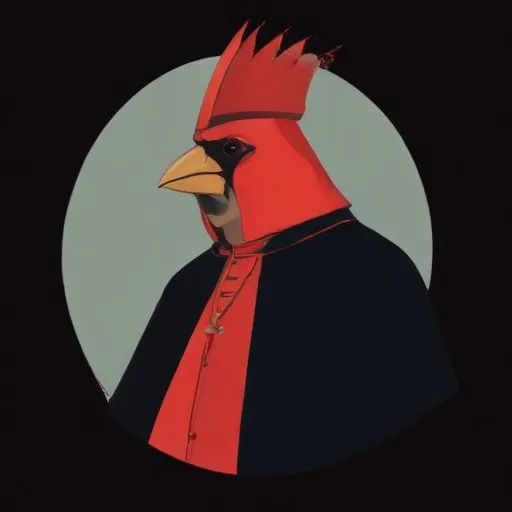
A 17th-century Italian cardinal who played a key role in the Catholic Church's missionary efforts and was a strong advocate for the rights of the poor and marginalized. He also served as the Archbishop of Pisa.
Giovanni Ricci, born on November 1, 1498, in Chiusi, Italy, is best known for his remarkable career as a Roman Catholic bishop and cardinal, distinguished by his diplomatic prowess, ecclesiastical excellence, and influential relationships with prominent figures of the time.
Ricci's early life was marked by a complicated family situation, which led him to seek protection from his father's friend, Tarugi, a nobleman from Montepulciano, at the age of 15. This decision ultimately paved the way for his entry into the court of Cardinal Giovanni Maria Ciocchi del Monte, the future Pope Julius III, where he served as an assistant to the master of chamber.
Ricci's exceptional skills and loyalty soon earned him the position of master of chamber upon the death of the old master. He then entered the service of Cardinal Alessandro Farnese, iuniore, and was tasked with diplomatic missions to the Kingdom of France and the Duchy of Burgundy, which he accomplished successfully.
His impressive performance in these roles led to his appointment as a protonotary apostolic participantium, followed by his election as Archbishop of Manfredonia in 1544. Ricci's influence continued to grow, and he became nuncio to the Kingdom of Portugal and Austria, playing a crucial role in the ecclesiastical politics of the time.
In 1551, Pope Julius III elevated Ricci to the rank of cardinal priest, assigning him the titular church of San Vitale. This prestigious position enabled him to participate in several papal conclaves, including those that elected Popes Marcellus II, Paul IV, and Pius IV.
Ricci's commitment to the Church was further demonstrated by his administrative roles, including his tenure as Camerlengo of the Sacred College and administrator of the see of Montepulciano.
Giovanni Ricci's remarkable career, marked by his diplomatic acumen, ecclesiastical excellence, and influential relationships, has left an indelible mark on the Roman Catholic Church. His contributions to the Church's politics, administration, and diplomacy have inspired future generations of clergy and continue to be felt to this day.
Born in 1417
A 15th-century pope who played a significant role in the fall of the Western Schism, ending the division in the Catholic Church. He's also known for his lavish spending and nepotism.
Born in 1414
Established the Vatican Archives and commissioned the Sistine Chapel's ceiling, which was famously painted by Michelangelo. He also played a significant role in the Renaissance.
Born in 1431
Ruthless and cunning, this Pope was infamous for his corrupt and immoral ways, using his power to further his family's interests.
Born in 1876
The leader of the Catholic Church from 1939 to 1958, known for his controversial role during World War II, particularly in regards to the Holocaust. He is also remembered for his encyclicals on social justice and liturgical reforms.
Born in 1227
The first Jesuit Pope, he played a key role in establishing the Catholic Church's missionary efforts in Asia and was a strong advocate for the arts, commissioning famous works like the frescoes in the Basilica of St. John Lateran.
Born in 1378
A Spanish pope who launched a crusade against the Ottoman Empire and is often criticized for his nepotism, promoting several relatives to high positions. He's also known for being the first pope to appoint a woman, Isabella Stuart, as a papal delegate.
Born in 1876
The leader of the Catholic Church from 1939 to 1958, known for his controversial role during World War II, particularly in regards to the Holocaust. He is also remembered for his encyclicals on social justice and liturgical reforms.
