


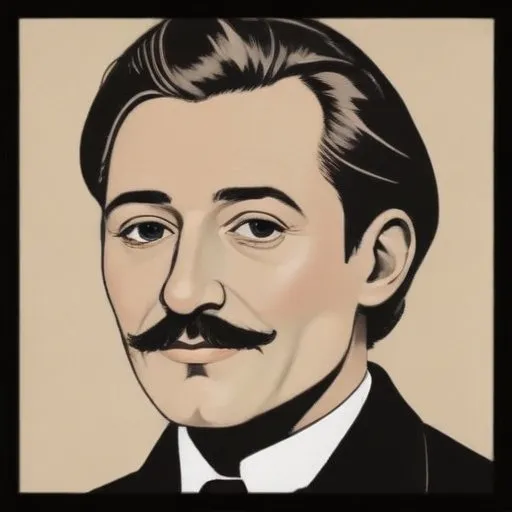
A renowned Baroque opera composer and accomplished singer, he wrote over 60 operas and numerous sacred works, influencing the development of classical music.
Johann Adolph Hasse was an 18th-century German composer, singer, and teacher of music, renowned for his immense contribution to the development of opera seria and 18th-century music. With over 60 operas to his credit, Hasse was one of the most prolific composers of his time, leaving an indelible mark on the world of classical music.
Baptized on March 25, 1699, in Bergedorf, near Hamburg, Germany, Hasse came from a family of church organists, where music was an integral part of his upbringing. He began his career as a tenor at the Hamburg Oper am Gnsemarkt in 1718, and soon after, obtained a singing post at the court of Brunswick in 1719.
Hasse's big break came in 1721 with the performance of his first opera, Antioco, at the court of Brunswick, where he himself sang in the production. This success led him to leave Germany and settle in Naples, Italy, where he spent the next six or seven years honing his craft. It was during this period that he came into contact with Alessandro Scarlatti, who became his teacher and friend, and whose style greatly influenced Hasse's own music.
Hasse's time in Naples was marked by immense creativity and productivity, during which he composed numerous operas, serenatas, and intermezzi. One of his most famous works from this period is the serenata Antonio e Cleopatra, performed in 1725, featuring the renowned castrato Carlo Broschi, better known as Farinelli, and Vittoria Tesi. This work not only earned Hasse widespread acclaim but also led to his association with the celebrated librettist Pietro Metastasio, whose libretti he frequently set to music.
Hasse's collaboration with Metastasio was instrumental in shaping the opera seria genre, which became the norm in 18th-century opera. Hasse's music, with its characteristic blend of lyricism, drama, and technical virtuosity, perfectly complemented Metastasio's poetic libretti, creating a unique and powerful artistic experience.
Hasse married the talented soprano Faustina Bordoni, and the couple's musical partnership was as fruitful as their personal one. They had a long and happy marriage, during which they collaborated on numerous projects, including operas and concerts. Hasse's legacy extends far beyond his own music, as he played a significant role in shaping the course of classical music, influencing generations of composers to come.
Hasse's contribution to classical music is immeasurable, and his influence can be seen in the works of later composers such as Christoph Willibald Gluck and Wolfgang Amadeus Mozart. His music, with its perfect balance of elegance, lyricism, and drama, continues to delight audiences today, ensuring his place as one of the most important figures in the history of opera.
Born in 1685
A renowned Baroque composer and organist, famous for creating majestic orchestral suites, operas, and oratorios, including the iconic "Messiah" masterpiece.
Born in 1714
A prominent composer of the Neapolitan School, he wrote over 80 operas and was a key figure in the transition between the Baroque and Classical periods. His music was known for its dramatic intensity and expressive melodies.
Born in 1714
A pioneering opera composer who revolutionized the art form with his innovative and expressive works, blending music and drama in a way that captivated audiences.
Born in 1714
A renowned 18th-century musician, he was a prolific composer and virtuosic performer, known for his expressive and innovative keyboard music that bridged the Baroque and Classical styles. His compositions, particularly for harpsichord and piano, showcased his mastery of counterpoint and harmony.
Born in 1685
A master of Baroque music, he composed over 1,000 works, including orchestral suites, cantatas, and passions, that still inspire and influence musicians today. His innovative use of counterpoint and harmony raised the bar for classical music.
Born in 1685
A virtuosic harpsichordist and composer, renowned for crafting over 550 sonatas that showcased his innovative and expressive style, blending Italian and Portuguese influences. 42
Born in 1678
A virtuosic violinist and prolific composer, he crafted over 400 concertos, including "The Four Seasons," which remains a beloved and iconic masterpiece of classical music.
Born in 1710
A Baroque composer, violinist, and organist who made significant contributions to the development of opera and sacred music, particularly with his famous "Stabat Mater" composition.
