


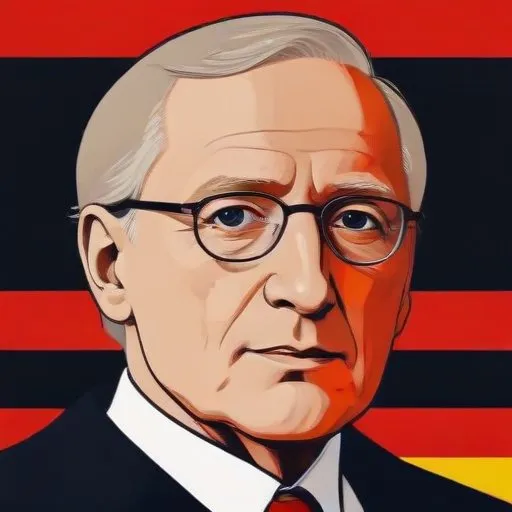
Erzberger's entry into politics began in 1903 when he was first elected to the Reichstag of the German Empire. He quickly gained recognition for his eloquence and persuasive abilities, earning him the respect of his peers.
This bold move marked a turning point in Erzberger's career, as he became a leading opponent of the war. His efforts ultimately led to the Armistice of 11 November 1918, which brought an end to the devastating conflict.
Under intense pressure, Erzberger was forced to resign in March 1920. Despite this setback, he remained committed to his vision for a more equitable Germany.
Despite his untimely death, Erzberger's contributions to ending World War I and his efforts to reform Germany's financial system remain a testament to his courage and vision.
Moreover, his commitment to peace and diplomacy serves as a powerful reminder of the importance of international cooperation and negotiation in resolving conflicts.
Born in 1815
Unified Germany's founder, a master strategist who forged a nation through diplomacy and war, leaving a lasting legacy in European politics.
Born in 1856
A German lawyer and politician who served as the 5th Chancellor of Germany from 1909 to 1917, known for his role in leading Germany into World War I. He implemented policies that led to the war, including the invasion of neutral Belgium, which drew Britain into the conflict.
Born in 1847
A German field marshal and politician who served as the 2nd President of Germany during the Weimar Republic, playing a crucial role in the rise of the Nazi Party. He's infamous for appointing Adolf Hitler as Chancellor of Germany in 1933.
Born in 1865
A German general and politician who played a crucial role in World War I, masterminding the 1918 Spring Offensive and later promoting Nazi ideology.
Born in 1878
A German journalist and politician who served as Chancellor of Germany during the Weimar Republic, known for his efforts to rebuild Germany after World War I and his Nobel Peace Prize win in 1926. He played a crucial role in stabilizing the German economy and improving international relations.
Born in 1879
Chancellor of Germany during the Weimar Republic, known for his efforts to stabilize the economy and promote international cooperation after World War I.
Born in 1876
A German businessman and politician who served as Chancellor of Germany from 1922 to 1923, known for his role in navigating the country through a period of hyperinflation and economic crisis.
Born in 1885
Chancellor of Germany during the Weimar Republic, implemented austerity measures to address the Great Depression, but ultimately failed to prevent Hitler's rise to power.
