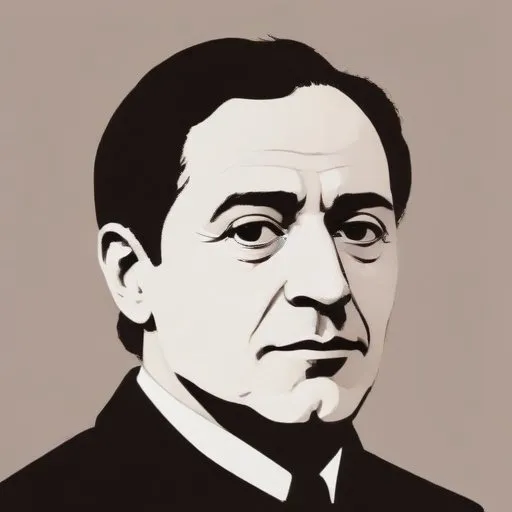
Paolo Lorenzani

Paolo Lorenzani

Paolo Lorenzani was born on January 5th, 1640

Full Name: Paolo Lorenzani
Nationality: Italian
Occupation: Composer
Genre: Baroque music
Notable Works: Operas and sacred music
Influences: Claudio Monteverdi
Years Active: 17th century
Style: Early Baroque

A 17th-century composer who wrote operas and sacred music, known for his innovative use of harmony and instrumentation. His works were performed in prominent Italian cities, including Rome and Venice.

Timeline
1640
Born in Rome, Italy
Paolo Lorenzani was born in 1640 in Rome, Italy.
1660
Composer and Organist
Lorenzani worked as a composer and organist in Rome and Naples.
1673
Music for the Royal Court
Lorenzani composed music for the royal court of Louis XIV of France.
1682
Death
Lorenzani died in 1682, exact date unknown.
Paolo Lorenzani

Paolo Lorenzani Quiz

What type of music did Paolo Lorenzani primarily compose?

Score: 0/5
FAQ
What is Paolo Lorenzanis significance in music history?
Paolo Lorenzani was an Italian composer of the Baroque period, and his music had a significant impact on the development of opera and sacred music. He was one of the first Italian composers to write music for the French court.
What are Paolo Lorenzanis most famous compositions?
Paolo Lorenzanis most famous compositions include his operas, such as Nicandro e Fileno and Orontea, as well as his sacred music, including his Messa à 12 and Vesperae à 12. His music is known for its lyricism and expressive intensity.
What was Paolo Lorenzanis role in the development of French opera?
Paolo Lorenzani was one of the first Italian composers to work in France, and his music helped to shape the development of French opera. He collaborated with librettists such as Philippe Quinault and worked closely with the French king, Louis XIV.
What is Paolo Lorenzanis connection to the Medici family?
Paolo Lorenzani was patronized by the Medici family, and he dedicated several of his works to them. He also worked in Florence, where the Medici were based, and composed music for their court.
What is Paolo Lorenzanis legacy in Italian music?
Paolo Lorenzanis music had a lasting impact on Italian music, influencing composers such as Alessandro Scarlatti and George Frideric Handel. His works continue to be performed and studied today, and his legacy is recognized as an important part of Italys rich musical heritage.

Related People:

Claudio Monteverdi

Born in 1567

A Baroque music pioneer who revolutionized the opera and sacred music genres with innovative harmonies and orchestration, leaving an indelible mark on classical music.

Heinrich Schütz

Born in 1585

A renowned Baroque composer and organist, known for his contributions to the development of the oratorio and passion genres, creating over 500 works that showcased his mastery of choral music.

Jean-Baptiste Lully

Born in 1632

A 17th-century mastermind who revolutionized French opera, creating lavish productions that captivated the royal court and beyond. He's credited with establishing the French opera tradition.

Antonio Vivaldi

Born in 1678

A virtuosic violinist and prolific composer, he crafted over 400 concertos, including "The Four Seasons," which remains a beloved and iconic masterpiece of classical music.

Domenico Scarlatti

Born in 1685

A virtuosic harpsichordist and composer, renowned for crafting over 550 sonatas that showcased his innovative and expressive style, blending Italian and Portuguese influences. 42

George Frideric Handel

Born in 1685

A renowned Baroque composer and organist, famous for creating majestic orchestral suites, operas, and oratorios, including the iconic "Messiah" masterpiece.

Alessandro Scarlatti

Born in 1660

Baroque-era mastermind behind over 600 cantatas, operas, and orchestral works, shaping the course of classical music with his innovative style and harmonic genius.

Arcangelo Corelli

Born in 1653

A virtuosic violinist and composer who revolutionized the concerto grosso form, creating a new era of classical music. His influential works elevated the violin to a solo instrument, shaping the course of Western classical music.