


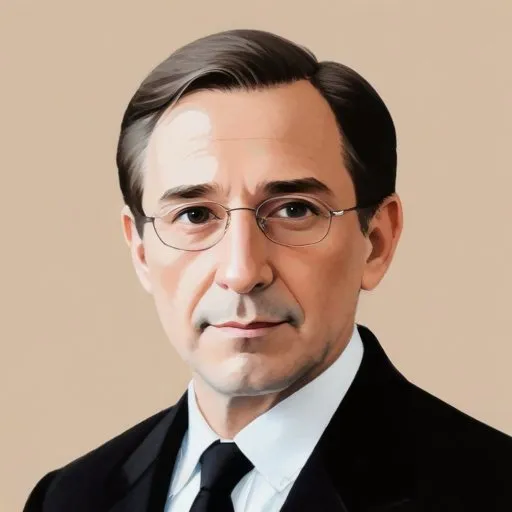
A renowned American composer and academic, he is most known for his choral music and teaching at prestigious institutions, leaving a lasting impact on the classical music world.
Randall Thompson was an American composer extraordinaire, renowned for his exquisite choral works that continue to mesmerize audiences to this day. With a legacy spanning multiple decades, Thompson's contributions to the world of classical music are a testament to his innovative spirit and artistic genius.
Thompson's journey in music began at a young age. He attended The Lawrenceville School, where his father was an English teacher, and later graduated from Harvard University. His academic pursuits didn't stop there; he went on to receive a doctorate in music from the University of Rochester's Eastman School of Music.
Thompson's passion for music extended beyond composition to teaching and mentorship. He held esteemed positions at Wellesley College, the Curtis Institute of Music, the University of Virginia, and Harvard University, shaping the careers of many aspiring musicians, including the legendary Leonard Bernstein.
Thompson's compositional repertoire is a treasure trove of choral works, symphonies, and operas. Some of his most notable creations include:
These works demonstrate Thompson's unique ability to craft music that is both accessible and profound, making him a beloved figure in the world of classical music.
Thompson's contributions to music were recognized with numerous awards and honors, including an honorary membership in the Rho Tau chapter of Phi Mu Alpha Sinfonia fraternity at Appalachian State University.
Randall Thompson's legacy extends far beyond his own lifetime. His music continues to inspire new generations of composers, musicians, and music lovers. His influence can be seen in the works of his students, including Leonard Bernstein and Samuel Adler, who have gone on to become prominent figures in their own right.
In conclusion, Randall Thompson's life and music serve as a testament to the power of creativity, dedication, and passion. His choral masterpieces remain a timeless treasure, a testament to his enduring legacy in the world of classical music.
Born in 1900
A renowned composer, conductor, and educator who blended folk and modernist elements to create iconic American classical music, including "Appalachian Spring" and "Fanfare for the Common Man".
Born in 1910
A renowned pianist and composer who blended romanticism and modernism, creating iconic works like "Adagio for Strings" that evoke powerful emotions.
Born in 1918
A renowned musician who blended jazz, classical, and Broadway styles, creating iconic works like West Side Story, and inspiring generations with his charismatic performances and innovative compositions.
Born in 1910
A renowned composer and educator, he was the first president of the Juilliard School and won the Pulitzer Prize for Music in 1943. He's known for his contributions to American classical music.
Born in 1894
A renowned composer, theorist, and academic who made significant contributions to the development of American classical music, particularly in the realm of harmony and counterpoint.
Born in 1896
A renowned composer, conductor, and educator who made significant contributions to American classical music, particularly through his Romantic-style symphonies and leadership of the Eastman School of Music.
Born in 1895
A renowned composer, violist, and conductor who blended traditional and modern styles, creating complex yet accessible music that resonated with audiences. His works spanned from operas to chamber music.
Born in 1892
A French composer and educator who blended jazz and classical music to create a unique sound, and is best known for his ballet scores and chamber music compositions.
