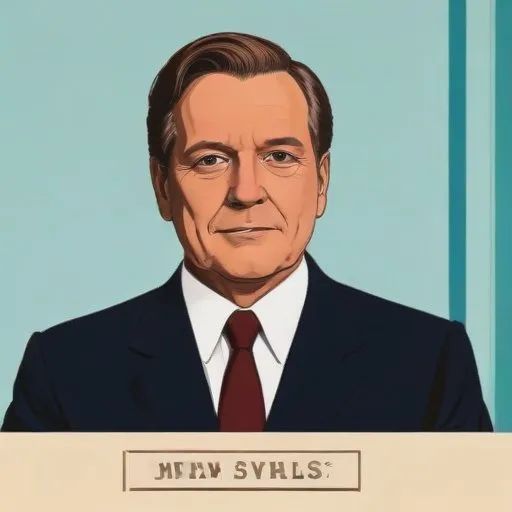
Sumner Welles: The Visionary Diplomat and Architect of Modern International Relations
Early Life and Career
Sumner Welles, a stalwart figure in American diplomacy, was born on October 14, 1892, in New York City to a prominent and well-connected political family. He is largely recognized for his instrumental role as Under Secretary of State from 1936 to 1943, where he played a pivotal part in shaping the country's foreign policy during President
Franklin D. Roosevelt's administration.
Rise to Prominence
Welles' impressive academic credentials, including a degree from Harvard College in 1914, laid the foundation for his entry into the Foreign Service. His early years in public service were marked by a passion for
Woodrow Wilson's ideals, which emphasized the importance of liberal democracy, free-trade capitalism, international law, and an end to colonialism. This intellectual curiosity and commitment to Wilsonian principles propelled Welles to specialize in Latin American diplomatic affairs.
Latin American Affairs and the Road to Under Secretary of State
Throughout his early career, Welles served in various capacities, including as a diplomatic representative in Washington and the field. His impressive work in Latin American affairs led to President Roosevelt's appointment of Welles as Assistant Secretary of State for Latin American Affairs in 1932. In this role, Welles played a crucial part in negotiations that led to the ousting of Cuban President Gerardo Machado and his replacement with
Carlos Manuel de Céspedes y Quesada. This noteworthy achievement ultimately paved the way for his promotion to Under Secretary of State.
The Welles Declaration and World War II
As Under Secretary of State, Welles expanded his diplomatic purview to encompass European affairs, particularly in the context of World War II. His most notable achievement during this period was the issuance of the Welles Declaration in 1940, which condemned the Soviet Union's occupation of the Baltic states. This bold move proved to be a significant point of contention among the Soviets and their Western allies once the United States entered the war in 1941.
Diplomatic Style and Controversies
Welles' diplomatic approach was characterized by his willingness to intervene in the domestic affairs of other countries, often selecting leaders who supported American policies. While this strategy was effective in promoting American interests, it also sparked controversy and criticism from those who perceived his actions as undue interference in the affairs of sovereign nations.
Legacy and Impact on Modern International Relations
Sumner Welles' contributions to American diplomacy and international relations are undeniable. His commitment to Wilsonian ideals, coupled with his pragmatic approach to diplomacy, helped shape the country's foreign policy during a tumultuous period in world history. Welles' legacy serves as a testament to the importance of visionary leadership in international relations, and his impact continues to resonate in modern diplomatic circles.
- Quotes and Memorable Sayings:
- "The fundamental concept of the United States' foreign policy is the maintenance of an orderly world."
Personal Milestones and Key Life Events
* 1914: Graduated from Harvard College
* 1932: Appointed Assistant Secretary of State for Latin American Affairs
* 1936: Appointed Under Secretary of State
* 1940: Issued the Welles Declaration
* 1943: Resigned as Under Secretary of State
* 1961: Passed away on September 24th
Historical Context and Legacy
Sumner Welles' life and career were inextricably linked to the tumultuous events of the early 20th century. His diplomatic efforts played a significant role in shaping the course of American foreign policy during World War II and the subsequent Cold War era. As a visionary diplomat, Welles' contributions continue to influence modern international relations, serving as a testament to the enduring importance of his work.
FAQ
What was Sumner Welles role in shaping US foreign policy?
Sumner Welles was a key advisor to President Franklin D. Roosevelt and played a significant role in shaping US foreign policy during World War II, particularly in the areas of Latin American relations and post-war planning.
What were Sumner Welles contributions to the development of the United Nations?
Sumner Welles was a strong advocate for international cooperation and played a key role in the development of the United Nations, serving as a delegate to the UN Conference on International Organization in 1945.
How did Sumner Welles address the issue of colonialism?
Sumner Welles was a vocal critic of colonialism and advocated for self-determination and independence for colonized peoples, particularly in Africa and Asia.
What was Sumner Welles relationship like with President Franklin D. Roosevelt?
Sumner Welles was a close friend and advisor to President Franklin D. Roosevelt, serving as Under Secretary of State and playing a key role in shaping Roosevelts foreign policy agenda.
What is Sumner Welles legacy in American diplomatic history?
Sumner Welles legacy in American diplomatic history is marked by his commitment to international cooperation, his advocacy for human rights and self-determination, and his role in shaping US foreign policy during a critical period in world history. Sub-question: How did Welles experiences as a diplomat influence his views on international relations?