


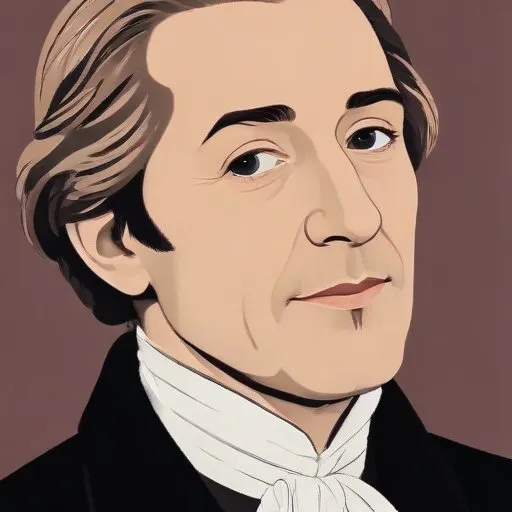
A 17th-century playwright and theatre manager who founded the King's Theatre and introduced actresses to the English stage, revolutionizing the art form.
Thomas Killigrew, a renowned English dramatist and theatre manager, is best known for his witty plays and his association with King Charles II of England. His most popular play, The Parsons Wedding, is still remembered for its bold humor and clever prose.
Killigrew was born on February 7, 1612, in Hanworth, England, to Sir Robert Killigrew, a courtier to James I, and his wife Mary ne Woodhouse. As one of twelve children, Killigrew's early life was marked by a lack of formal education, with the Court and the playhouse serving as his schoolroom.
Before the English Civil War, Killigrew wrote several plays, including tragicomedies like Claracilla and The Prisoners. His writing career was interrupting by the war, during which he followed Prince Charles (the future Charles II) into exile in 1647. Killigrew spent the years 1649-1651 in Paris, Geneva, and Rome, and even served as Charles' representative in Venice.
Upon his return to England in 1660, Killigrew was rewarded by Charles II for his loyalty, being appointed Groom of the Bedchamber and Chamberlain to Queen Catherine. He continued to write plays, including Thomaso, or the Wanderer, which was written in Madrid.
Killigrew's plays were known for their wit and humor, and he was praised by his contemporaries for his clever use of language. According to Samuel Pepys, Killigrew was "the King's fool and jester, with privilege to mock and revile even the most prominent without penalty."
In addition to his playwriting, Killigrew was also a key figure in the establishment of theatre companies in England. Along with Sir William Davenant, he was granted a royal warrant to form a theatre company, which played a significant role in shaping the country's theatrical landscape.
Killigrew was known for his dissolute lifestyle, and his involvement in the exorcism of the possessed nuns of Loudun in 1635. He even wrote a skeptical account of the proceedings, which has been criticized for its perceived blasphemy.
Despite his personal controversies, Killigrew's contributions to English literature and theatre cannot be overstated. His plays continue to be studied and performed today, and his influence can be seen in the works of later playwrights and writers.
In conclusion, Thomas Killigrew was a witty and influential figure in 17th-century English theatre, whose contributions continue to be felt today. His bold plays, clever use of language, and influential theatre company have left a lasting impact on the world of English literature.
Born in 1631
A dominant literary figure of the Restoration era, known for his influential poetry, plays, and critical essays that shaped the English literary landscape. He's often credited with creating a new style of heroic drama and satire.
Born in 1664
Designed grand English country houses, like Blenheim Palace, and wrote witty Restoration comedies, blending architecture and drama.
Born in 1670
Restoration-era playwright and poet renowned for witty, satirical comedies of manners that continue to influence English literature and theatre. His works remain popular for their clever dialogue and insight into human nature.
Born in 1590
Early Connecticut leader who played a key role in the colony's development and governance, particularly in the 17th century.
Born in 1572
A prominent figure in the English Renaissance, known for his witty plays and poems that explored themes of love, power, and morality. His works continue to influence literature and theater to this day.
