


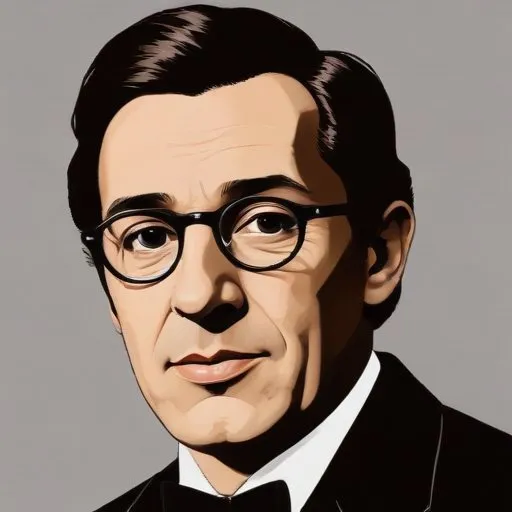
An 18th-century master of opera, known for his innovative and expressive compositions that blended Italian and French styles, influencing the development of opera seria.
Tommaso Traetta, an Italian composer of the Neapolitan School, is renowned for his significant contributions to operatic reforms, reducing the ornateness of style and the primacy of star singers. His innovative compositions led to a fusion of Italian, French, and German musical traditions, modernizing the operatic genre.
Born on March 30, 1727, in Bitonto, a town near Bari in the Apulia region of Italy, Traetta was a student of the esteemed composer, singer, and teacher Nicola Porpora in Naples. This tutelage laid the foundation for his future success, which began to unfold with his opera Il Farnace in 1751.
Traetta's early success brought him into contact with prominent composers, including Niccolò Jommelli. His operas were frequently commissioned throughout Italy, and in 1759, he accepted a post as court composer at Parma, where he was exposed to the French influence of the Duke of Parma, Philip.
During his time in Parma, Traetta's compositions took a dramatic turn, driven by the cultural atmosphere and his collaboration with the highly cultivated Parma-trained Frenchman, Guillaume du Tillot. This period saw the emergence of his most forward-looking works, such as Antigona (1772), which showcased his ability to blend the grandeur of French opera with the dramatic intensity of Italian music.
Traetta's innovative approach to opera is characterized by his use of dramatic color, melodic expressiveness, and orchestral mastery. His works not only reflected the fusion of Italian, French, and German musical traditions but also paved the way for future generations of composers. His legacy is a testament to his role as a reformist, who transformed the operatic landscape of the 18th century.
Traetta's contributions to operatic reforms have had a lasting impact on the development of modern opera. His innovative approach has inspired generations of composers, shaping the course of operatic history. His legacy serves as a testament to the power of artistic innovation and the importance of cultural exchange.
Tommaso Traetta's remarkable life and compositions continue to inspire and educate audiences today. As a composer, he embodied the spirit of innovation and reform, leaving an indelible mark on the world of opera.
Born in 1714
A prominent composer of the Neapolitan School, he wrote over 80 operas and was a key figure in the transition between the Baroque and Classical periods. His music was known for its dramatic intensity and expressive melodies.
Born in 1710
A Baroque composer, violinist, and organist who made significant contributions to the development of opera and sacred music, particularly with his famous "Stabat Mater" composition.
Born in 1714
A pioneering opera composer who revolutionized the art form with his innovative and expressive works, blending music and drama in a way that captivated audiences.
Born in 1756
A child prodigy and master of classical music, he composed over 600 works, including symphonies, operas, and chamber music, that continue to inspire and influence musicians today.
Born in 1678
A virtuosic violinist and prolific composer, he crafted over 400 concertos, including "The Four Seasons," which remains a beloved and iconic masterpiece of classical music.
Born in 1685
A virtuosic harpsichordist and composer, renowned for crafting over 550 sonatas that showcased his innovative and expressive style, blending Italian and Portuguese influences. 42
Born in 1660
Baroque-era mastermind behind over 600 cantatas, operas, and orchestral works, shaping the course of classical music with his innovative style and harmonic genius.
Born in 1685
A renowned Baroque composer and organist, famous for creating majestic orchestral suites, operas, and oratorios, including the iconic "Messiah" masterpiece.
