


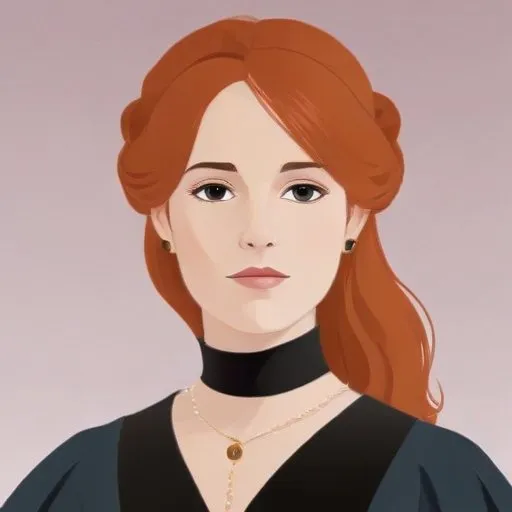
Mother of King Edward IV and Richard III, playing a significant role in the Wars of the Roses. She was a powerful and influential woman in 15th-century English politics.
Cecily Neville, Duchess of York, is renowned for being the wife of Richard, Duke of York, and the mother of two kings of England, Edward IV and Richard III. Born on May 3, 1415, at Raby Castle in Durham, she was affectionately known as the "Rose of Raby" and "Proud Cis" due to her pride and strong temperament.
Cecily was the youngest of the 22 children of Ralph Neville, 1st Earl of Westmorland, and his second wife, Joan Beaufort. Her paternal grandparents were John Neville, 3rd Baron Neville de Raby, and Maud Percy, daughter of Henry de Percy, 2nd Baron Percy. Her maternal grandparents were John of Gaunt, 1st Duke of Lancaster, and his third wife, Katherine Swynford.
In 1424, at the age of eight, Cecily was betrothed to her guardian, Richard Plantagenet, 3rd Duke of York. The union was formalized by October 1429, when Cecily was 14 years old. The couple had twelve children, including:
Cecily's husband, Richard, Duke of York, was a leading contender for the throne of England from the House of York during the Wars of the Roses. After his death in 1460, their son Edward IV assumed the throne, making Cecily the mother of a king. Although she narrowly missed becoming queen consort of England, her influence on the royal family and the course of English history is undeniable.
Cecily was known for her piety and strong will, earning her the nickname "Proud Cis." She was a devoted mother and wife, and her family connections and alliances played a significant role in shaping the English monarchy. Her legacy extends beyond her family, as she is remembered as a powerful and influential woman of her time.
Cecily Neville's impact on modern society is felt through her descendants, who have shaped the course of British history. Her legacy is a testament to the powerful role women played in medieval society, and her story continues to inspire and fascinate historians and enthusiasts alike.
In conclusion, Cecily Neville, Duchess of York, was a remarkable woman who left an indelible mark on English history. As the mother of two kings and a devoted wife, she played a crucial role in shaping the destiny of the English monarchy, and her influence continues to be felt today.
Born in 1284
The king whose disastrous reign led to his eventual deposition and mysterious death, remembered for his alleged homosexual relationships and power struggles with nobles.
Born in 1367
The last king of the House of Plantagenet, deposed in a coup, known for his extravagance and tyranny, leading to his downfall and the rise of the Lancastrian dynasty.
Born in 1449
Younger brother of King Edward IV and King Richard III, known for his brief rebellion against Edward IV and his eventual murder in the Tower of London.
Born in 1446
Duchess of Burgundy and sister of King Edward IV of England, known for her lavish lifestyle and patronage of the arts.
Born in 1133
King of England from 1154 to 1189, known for establishing a strong centralized government, reforming the English church, and his tumultuous relationships with Thomas Becket and his sons.
Born in 1133
King of England from 1154 to 1189, known for establishing a strong centralized government, reforming the English church, and his tumultuous relationships with Thomas Becket and his sons.
Born in 1340
A powerful and wealthy medieval English nobleman, known for his immense influence on English politics and his role in the Hundred Years' War. He was also a patron of the arts and a founder of Trinity College, Cambridge.
