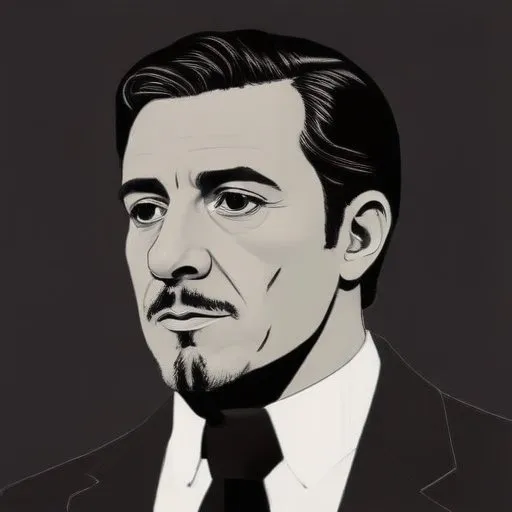
Domenico Ferrabosco: The Renaissance Maestro of Madrigals
A Life of Harmony and Melody
Domenico Ferrabosco, an Italian composer and singer, is renowned for his exquisite madrigals and motets that captured the essence of the Renaissance era. Born on February 14, 1513, in Bologna, Ferrabosco's musical talents flourished in the prominent family of musicians, earning him a permanent place in the annals of Italian music history.
Early Life and Musical Beginnings
Ferrabosco was born into a distinguished Bolognese family, whose genealogical records date back to the 15th century. He was the first of four sons of Annibale Ferrabosco to pursue a career in music. Little is known about his early life, but his exceptional talent as a singer earned him a position at the Cathedral of San Petronio, where he honed his skills and established himself as a rising star in the musical circles of Bologna.
A Career of Musical Excellence
By 1540, Ferrabosco's reputation as a composer and singer had grown, and the city officials of Bologna granted him a lifetime stipend to oversee the palace musicians. This recognition propelled him to Rome in the 1540s, where he became the magister puerorum, or director of the boys' choir, for the Julian Chapel in 1546. However, family obligations brought him back to Bologna in 1547, and he was appointed maestro di cappella, or choir director, at San Petronio in 1548. Ferrabosco's talents didn't go unnoticed, and in 1550, he returned to Rome to assume the position of cantore pontificio, or singer in the papal chapel.
Legacy of Madrigals and Motets
Ferrabosco's surviving music is exclusively vocal, comprising madrigals and motets that showcase his mastery of Renaissance polyphony. His madrigals, in particular, are highly regarded, with musicologist Alfred Einstein comparing them favorably to those of his contemporary, Cipriano de Rore. Ferrabosco's works are characterized by their lyricism, expressiveness, and innovative use of harmony, which have inspired generations of composers.
Personal Life and Milestones
Beyond his musical accomplishments, Ferrabosco's personal life is marked by significant milestones. He returned to Bologna in 1547 to fulfill family obligations, and in 1548, he was appointed maestro di cappella at San Petronio. In 1550, he moved back to Rome, where he began performing his duties as cantore pontificio. Ferrabosco's non-musical position as Regulator et scriba campionis creditorum Montis portarum, granted by the Bolognese Senate, underscores his versatility and civic involvement.
Influence on Modern Music
Ferrabosco's contributions to the development of Renaissance music are undeniable. His madrigals and motets have influenced numerous composers, including Palestrina, and continue to be celebrated for their beauty and expressiveness. Ferrabosco's innovative approach to harmony and polyphony has left an indelible mark on the evolution of Western classical music.
Controversies and Legacy
In 1555, Ferrabosco, along with other married singers, was removed from his position as cantore pontificio due to an edict by
Pope Paul IV, who sought to enforce celibacy for his musicians. This controversy notwithstanding, Ferrabosco's legacy as a Renaissance master remains unblemished. His music continues to enchant audiences, and his impact on the development of Western classical music is irrefutable.
Timeline of Ferrabosco's Life
- 1513: Born in Bologna, Italy
- 1540: Establishes himself as a prominent musician in Bologna
- 1546: Becomes magister puerorum for the Julian Chapel in Rome
- 1547: Returns to Bologna to fulfill family obligations
- 1548: Appointed maestro di cappella at San Petronio
- 1550: Becomes cantore pontificio in the papal chapel
- 1555: Removed from position as cantore pontificio due to celibacy edict
- 1574: Passes away
Ferrabosco's remarkable life, filled with musical triumphs and personal milestones, serves as a testament to his enduring legacy as a Renaissance maestro. His impeccable madrigals and motets continue to delight audiences, ensuring that his musical genius will be cherished for generations to come.
FAQ
What was Domenico Ferraboscos musical style?
Domenico Ferrabosco was a Italian composer known for his innovative and eclectic musical style, which blended elements of Renaissance and Baroque music.
What were Domenico Ferraboscos most famous works?
Domenico Ferraboscos most famous works include his motets, masses, and madrigals, which showcased his mastery of vocal and instrumental music.
How did Domenico Ferrabosco influence later composers?
Domenico Ferraboscos work had a significant impact on later composers, with his innovations in harmony and counterpoint influencing prominent figures such as Palestrina and Monteverdi.
What was Domenico Ferraboscos role in the Renaissance music scene?
Domenico Ferrabosco played a key role in the Renaissance music scene, working as a court composer for the Este family and contributing to the development of the madrigal genre.
How did Domenico Ferrabosco die?
Domenico Ferrabosco died on June 10, 1573, leaving behind a rich legacy of musical compositions and a significant impact on the development of Western classical music.