


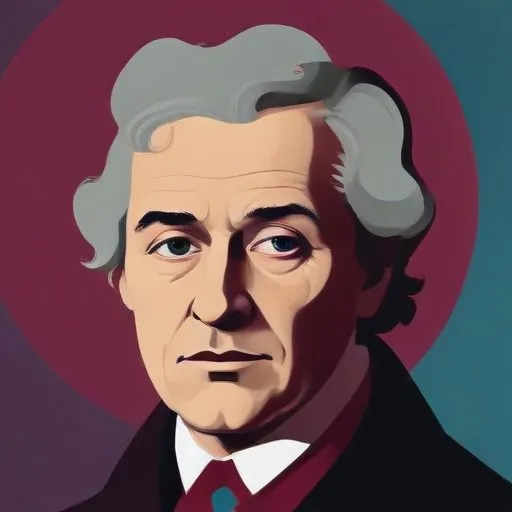
A 17th-century poet and politician who wrote verses that charmed King Charles I and later helped to restore the monarchy after a period of republican rule. His poetry is known for its lyricism and use of classical allusions.
Edmund Waller, a stalwart of the English literary scene, is best remembered for his enchanting poem "Song Go, lovely rose," a masterpiece of heroic couplets that would influence generations of poets to come. As a poet, politician, and Member of Parliament for various constituencies between 1624 and 1687, Waller left an indelible mark on the cultural and political landscape of 17th-century England.
Born on March 3, 1606, to a wealthy lawyer with extensive estates in Buckinghamshire, Waller's entry into politics was almost predestined. He first entered Parliament in 1624, where he would go on to serve for over six decades, making him one of the longest-serving members of the English House of Commons.
Waller's poetry, however, was not merely a side passion. His earliest writings date back to the late 1630s, commemorating events that occurred in the 1620s, including a piece on Charles I's escape from a shipwreck at Santander in 1625. His verse was admired by luminaries such as John Dryden, and he counted Thomas Hobbes and John Evelyn among his close friends.
Waller's Royalist sympathies led him to be accused of organizing a plot to seize London for Charles I in 1643. Although he allegedly escaped the death penalty by paying a large bribe, several conspirators were executed, including his brother-in-law Nathaniel Tomkins. His sentence was commuted to banishment, and he lived in comfortable exile in France and Switzerland until allowed home in 1651 by Oliver Cromwell, a distant relative.
Upon his return, Waller resumed his political career, holding minor offices and earning a reputation as a fine and amusing orator. He largely retired from active politics after the death of his second wife in 1677, devoting his later years to poetry and literary pursuits.
When Waller died of edema in October 1687, he was considered a major English poet. However, his reputation declined over the next century, with some viewing him as a fair-weather Royalist, expedient Republican, and mercenary bridegroom. In recent times, Waller's legacy has undergone a reevaluation, and he is now regarded as a minor author who developed a poetic form adapted and improved by later poets.
Despite his declining reputation, Edmund Waller remains a fascinating figure in English literary history, offering a glimpse into the tumultuous world of 17th-century politics and poetry.
Born in 1631
A dominant literary figure of the Restoration era, known for his influential poetry, plays, and critical essays that shaped the English literary landscape. He's often credited with creating a new style of heroic drama and satire.
Born in 1608
Wrote epic poems, including "Paradise Lost", that explored themes of morality, free will, and the human condition.
Born in 1591
A 17th-century poet and Anglican priest, he's celebrated for his lyrical and sensual verses, particularly in his collection "Hesperides", which explores themes of love, nature, and mortality.
Born in 1621
A 17th-century poet and politician who wrote lyrical and metaphysical verse, as well as satirical attacks on the government, blending art and politics in his work.
Born in 1573
A 17th-century poet and cleric who penned powerful, metaphysical sonnets that explored themes of love, death, and spirituality. His works are celebrated for their complex, intricate language and profound insights into the human experience.
Born in 1572
A prominent figure in the English Renaissance, known for his witty plays and poems that explored themes of love, power, and morality. His works continue to influence literature and theater to this day.
Born in 1593
A metaphysical poet and Anglican priest, he crafted intricate, symbolic, and introspective verse that explored the human condition and spirituality. His poetry is revered for its lyricism, depth, and emotional resonance.
Born in 1617
A 17th-century Cavalier poet, known for his lyrical and romantic verses, often expressing love and loyalty, with his most famous poem being "To Althea, from Prison".
