


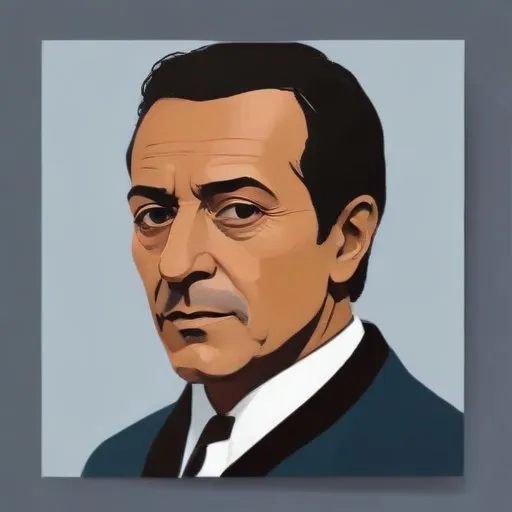
An 18th-century opera composer who wrote over 30 operas, primarily in the opera buffa style, and was influential in the development of the opera comique genre.
Egidio Duni, an Italian composer of the 18th century, is renowned for his significant contributions to the world of opera, particularly in the development of the comédie mélodrame, a precursor to the modern opéra comique. With a career spanning over four decades, Duni left an indelible mark on the opera scene in Italy, France, and London.
Born on February 11, 1708, in Matera, Italy, Duni began his musical education under the guidance of his father, Francesco Duni, and two sisters. At the tender age of nine, he was accepted into the prestigious Conservatorio di Santa Maria di Loreto near Naples, where he studied alongside other notable composers, including Giovanni Battista Pergolesi and Giovanni Paisiello.
Duni's big break came in 1735 with the opera Nerone, which premiered at the Rome Carnival. This success was followed by Demofoonte in 1737, performed in London. These works showcased Duni's mastery of Italian opera and paved the way for his subsequent appointments as maestro di cappella in Parma (1749) and later in France.
In the latter part of his career, Duni focused on French opera, making significant contributions to the development of the comédie mélodrame. Notable works from this period include Le peintre amoureux de son modèle (1757), La feinte Urgèle (1765), and L'école de la jeunesse (1765). These operas exhibited Duni's ability to blend music, drama, and comedy, earning him recognition as a pioneer of the comédie mélodrame.
Egidio Duni's contributions to the world of opera have had a lasting impact on the development of the art form. His innovative approach to blending music, drama, and comedy paved the way for future generations of composers. Duni's legacy continues to inspire and influence opera enthusiasts to this day.
Duni passed away on June 11, 1775, in Paris, leaving behind a rich cultural heritage that continues to delight audiences around the world.
Born in 1714
A prominent composer of the Neapolitan School, he wrote over 80 operas and was a key figure in the transition between the Baroque and Classical periods. His music was known for its dramatic intensity and expressive melodies.
Born in 1710
A Baroque composer, violinist, and organist who made significant contributions to the development of opera and sacred music, particularly with his famous "Stabat Mater" composition.
Born in 1728
An 18th-century Italian composer and educator, known for his operas and influence on the development of classical music. He was a prominent figure in the Neapolitan school of opera composition.
Born in 1714
A pioneering opera composer who revolutionized the art form with his innovative and expressive works, blending music and drama in a way that captivated audiences.
Born in 1683
A prominent figure in the Baroque period, this composer and theorist revolutionized Western classical music with innovative harmonies and treatises on music theory, shaping the course of classical music.
Born in 1741
A renowned 18th-century organist and composer, known for his sacred music and operas that showcased his mastery of harmony and counterpoint. His works were widely performed during his lifetime, earning him great acclaim.
Born in 1678
A virtuosic violinist and prolific composer, he crafted over 400 concertos, including "The Four Seasons," which remains a beloved and iconic masterpiece of classical music.
Born in 1749
An 18th-century Italian composer and educator, known for his operas and sacred music, particularly his comic operas that showcased his mastery of melody and harmony.
