


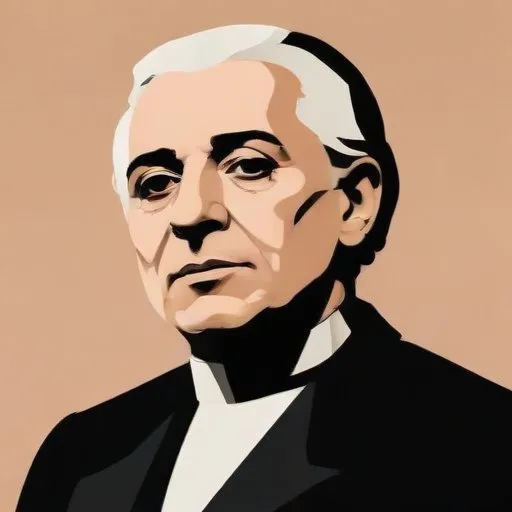
An 18th-century Italian soprano, composer, and educator who performed in European opera houses and taught music to royalty, leaving a legacy in vocal pedagogy and opera composition.
Giuseppe Millico, known as Il Moscovita, was a renowned Italian soprano castrato, composer, and music teacher who left an indelible mark on the world of opera in the 18th century. He is best remembered for his captivating performances in the operas of Christoph Willibald Gluck, a prominent German composer.
Born on January 19, 1737, in Terlizzi, near Bari, Italy, Millico began his musical journey at a young age. In 1754, he moved to Naples, where he further developed his skills as a singer and composer.
In 1757, Millico made his debut as a singer in Rome, which marked the beginning of his illustrious career. His talent soon took him to Russia, where he performed from 1758 to 1765. Upon his return to Italy, he became a prominent figure in the opera world, performing in various productions and collaborating with notable composers of the time.
Millico's most significant collaboration was with Christoph Willibald Gluck, a renowned German composer. Gluck adapted several roles specifically for Millico's soprano voice, including the iconic role of Orpheus in his opera Orfeo ed Euridice. This partnership resulted in the creation of several masterpieces, including Alceste and Paride ed Elena.
In 1772, Millico traveled to London, where he performed at the King's Theatre. He sang leading roles in various operas, including Sacchini's Il Cid and Tamerlano. During this period, he also attempted to preserve the original version of Gluck's Orfeo ed Euridice, which was being modified in London.
Millico's contribution to the world of opera is undeniable. He played a significant role in popularizing Gluck's operas, which revolutionized the genre with their emphasis on dramatic expression and musical innovation. His performances also showcased his exceptional vocal range and technical skill, setting a high standard for future generations of opera singers.
Giuseppe Millico's legacy extends far beyond his impressive career as a soprano castrato. He inspired a new generation of composers and singers, shaping the course of opera in the 18th century. Today, he remains an important figure in the history of opera, celebrated for his remarkable talent and contributions to the art form.
Giuseppe Millico's remarkable career serves as a testament to his dedication, talent, and passion for opera. His contributions to the genre continue to inspire and influence musicians to this day, solidifying his place as one of the most celebrated soprano castrati of the 18th century.
Born in 1705
A renowned 18th-century opera singer, known for their extraordinary vocal range and emotional performances, captivating European royal courts and aristocracy.
Born in 1714
A prominent composer of the Neapolitan School, he wrote over 80 operas and was a key figure in the transition between the Baroque and Classical periods. His music was known for its dramatic intensity and expressive melodies.
Born in 1728
An 18th-century Italian composer and educator, known for his operas and influence on the development of classical music. He was a prominent figure in the Neapolitan school of opera composition.
Born in 1749
An 18th-century Italian composer and educator, known for his operas and sacred music, particularly his comic operas that showcased his mastery of melody and harmony.
Born in 1710
A Baroque composer, violinist, and organist who made significant contributions to the development of opera and sacred music, particularly with his famous "Stabat Mater" composition.
Born in 1714
A pioneering opera composer who revolutionized the art form with his innovative and expressive works, blending music and drama in a way that captivated audiences.
Born in 1756
A child prodigy and master of classical music, he composed over 600 works, including symphonies, operas, and chamber music, that continue to inspire and influence musicians today.
Born in 1678
A virtuosic violinist and prolific composer, he crafted over 400 concertos, including "The Four Seasons," which remains a beloved and iconic masterpiece of classical music.
