


The Nuremberg trials, a series of tribunals held in the aftermath of World War II, are infamous for bringing high-ranking Nazi officials to justice for their involvement in war crimes and crimes against humanity. On October 16, 1946, ten of these defendants, found guilty by the International Military Tribunal, met their fate at the gallows in Nuremberg's Palace of Justice, marking a somber milestone in the pursuit of accountability for the atrocities committed during the Second World War.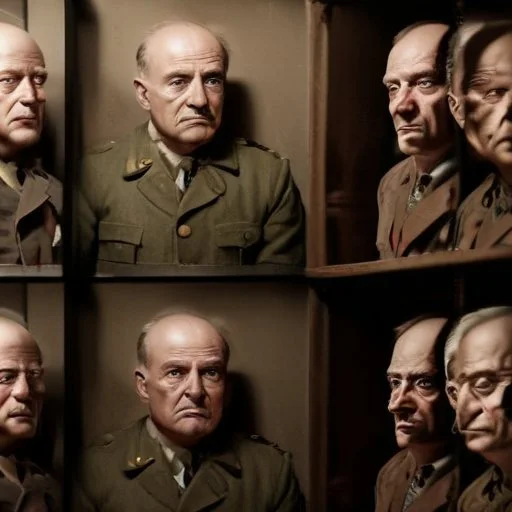
In the aftermath of World War II, the Allied Powers sought to hold accountable those responsible for the unprecedented atrocities committed during the conflict. The Nuremberg trials, established by the London Charter in 1945, aimed to prosecute high-ranking Nazi officials for war crimes, crimes against humanity, and conspiracy against peace.
The Nuremberg trial, which began on November 20, 1945, lasted for nearly a year, with the prosecution presenting an overwhelming case against the defendants. On September 30, 1946, the International Military Tribunal delivered its verdict, finding all ten defendants guilty of war crimes and crimes against humanity.
On October 16, 1946, the condemned men were led to the gallows in the Palace of Justice, where they were executed by hanging. The execution was carried out by American hangman, John C. Woods, who had previously executed hundreds of American servicemen during the war.
The Nuremberg executions sent a powerful message that those responsible for atrocities would be held accountable for their actions. The trials and subsequent executions marked a turning point in international law, establishing the principles of individual responsibility and collective guilt for aggression and atrocities.
The Nuremberg trials and executions have since been recognized as a milestone in the pursuit of justice and human rights, influencing the development of international criminal law and inspiring subsequent war crimes tribunals.
The Nuremberg trials took place amidst a complex geopolitical landscape. The Allied Powers, led by the United States, Great Britain, and the Soviet Union, had differing views on how to handle the defeated Nazi regime. The trials were seen as an opportunity to establish a unified approach to dealing with war crimes and crimes against humanity.
The Soviet Union, in particular, was keen to showcase its commitment to international law and cooperation. The trials provided a platform for the Soviets to demonstrate their willingness to work with the Western powers, while also promoting their own brand of socialism.

Historians have debated the significance of the Nuremberg trials in the pursuit of justice and accountability for war crimes. Some have argued that the trials were a necessary step towards establishing individual responsibility for atrocities, while others have criticized the trials as victor's justice, where the winners of the war dictated the terms of accountability.
Recent historiographical perspectives have highlighted the importance of the trials in shaping our understanding of international criminal law and human rights. The Nuremberg trials are now recognized as a crucial milestone in the development of these concepts.
One of the most intriguing figures involved in the Nuremberg trials was Robert H. Jackson, the American chief prosecutor. A brilliant lawyer and jurist, Jackson played a crucial role in shaping the legal framework of the trials.
Jackson's opening statement, delivered on November 21, 1945, set the tone for the prosecution's case, emphasizing the importance of holding individuals accountable for their actions, regardless of their position or circumstances.
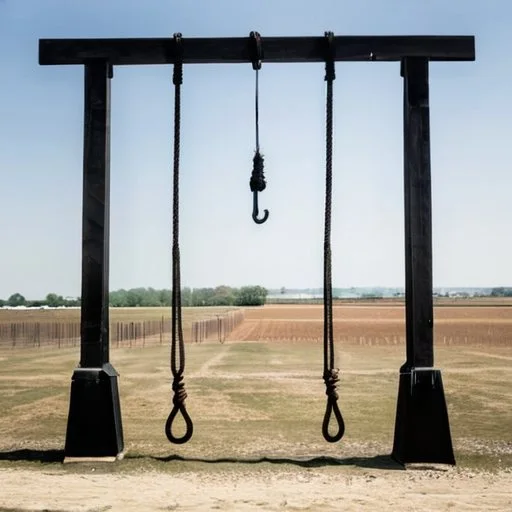
The Nuremberg trials had a profound impact on popular culture, inspiring numerous films, books, and plays. The trials were extensively covered in the media, with journalists from around the world flocking to Nuremberg to report on the proceedings.
The trials also influenced the development of the documentary film genre, with the 1948 film "Nuremberg: The Nazis on Trial" providing a gripping account of the trials and their significance.
The Nuremberg trials relied heavily on documentary evidence, with the prosecution presenting thousands of documents and photographs as proof of the defendants' guilt.
One of the most significant pieces of evidence was the "Stroop Report," a detailed account of the liquidation of the Warsaw Ghetto, compiled by SS Brigadier General Jürgen Stroop.