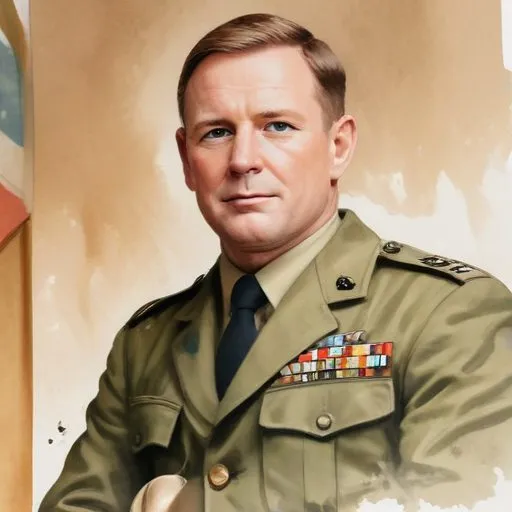
Sir Eric John Harrison: A Pillar of Australian Politics and Diplomacy
Early Life and Career
Sir Eric
John Harrison, a stalwart figure in Australian politics and diplomacy, is best known for his instrumental role in shaping the country's political landscape as the inaugural deputy leader of the Liberal Party (1945-1956) and a government minister under four prime ministers. Born on September 7, 1892, in Surry Hills, Sydney, Harrison's early life was marked by a strong work ethic, leaving school at the age of 13 to work in the textile industry.
Rise to Prominence
Harrison's entry into politics came in 1931, when he was elected to the House of Representatives, representing the United Australia Party (UAP). His early political career saw him hold various portfolios, including Minister for Interior in 1934, under
Joseph Lyons, and subsequent ministerial positions in the governments of
Earle Page,
Robert Menzies, and
Arthur Fadden. In 1944, Harrison replaced
Billy Hughes as deputy leader of the UAP, and when the Liberal Party was formed in 1945, he was elected to the same position.
Deputy Leadership and Ministerial Roles
As deputy leader of the Liberal Party, Harrison played a crucial role in shaping the party's policies and direction. During this period, he held various defense-related portfolios, including Minister for Defence Production, Minister for the Navy, and Minister for the Army. In 1951, he was made the inaugural Leader of the House, a position that demonstrated his growing influence within the party.
Diplomatic Career
In 1956, Harrison left politics to become High Commissioner to the United Kingdom, a position he held until 1964. During his tenure, he played a vital role in strengthening Australia's relations with the UK and promoting the country's interests abroad.
Personal Life and Legacy
Harrison's personal life was marked by his strong family ties. His daughter, Shirley Walters, followed in his footsteps, becoming the first woman to represent Tasmania in the Senate. In his later years, Harrison struggled with Parkinson's disease, passing away on September 26, 1974. Despite his passing, Harrison's legacy continues to be felt in Australian politics and diplomacy, with his contributions to the country's development and growth still widely acknowledged.
Controversies and Public Perception
Throughout his career, Harrison faced criticism for his views on various issues, including his support for the White Australia Policy. While these controversies have been the subject of much debate, Harrison's overall legacy as a dedicated public servant and leader remains intact.
Philosophical Contributions and Beliefs
Harrison's political philosophy was shaped by his strong belief in the importance of national defense and economic development. Throughout his career, he advocated for policies that promoted Australia's growth and security, often taking a pragmatic approach to politics.
Honors and Recognition
In recognition of his services to Australia, Harrison was knighted in 1956. His contributions to politics and diplomacy have been acknowledged through various honors and awards, cementing his place as one of Australia's most respected and influential figures.
Influence on Modern Society
Harrison's legacy extends beyond his political and diplomatic achievements. His commitment to public service and his dedication to promoting Australia's interests have inspired generations of politicians and diplomats. His influence can be seen in the country's continued emphasis on national defense, economic development, and international engagement.
Career Highlights and Major Works
- Inaugural deputy leader of the Liberal Party (1945-1956)
- Government minister under four prime ministers (Lyons, Page, Menzies, and Fadden)
- High Commissioner to the United Kingdom (1956-1964)
- Inaugural Leader of the House (1951)
- Minister for Defence Production, Minister for the Navy, and Minister for the Army
Historical Context and Legacy
Harrison's life and career were shaped by the tumultuous events of the 20th century, including two world wars and the Great Depression. His contributions to Australian politics and diplomacy have had a lasting impact, with his legacy continuing to be felt today. As a testament to his enduring influence, Harrison's name remains synonymous with dedication, service, and leadership in Australian public life.